
Why Rodents Love Toronto’s Older Homes in 2026: Risks & Solutions
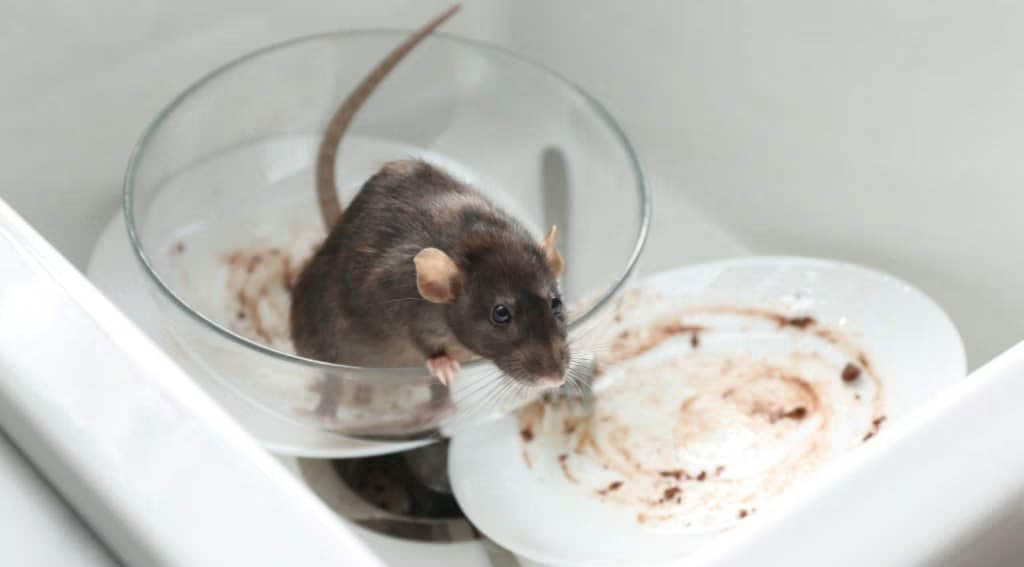
If you live in one of Toronto's charming older homes, you likely appreciate its history, character, and unique design. But in 2026, there’s another “resident” you might need to watch out for: rodents. Rat and mouse infestations in older homes are becoming more common, and the problem is intensifying due to urban growth and changing city conditions.
You might wonder why there are so many rats in Toronto these days. As the rodent population in Toronto increases, older houses become prime targets for infestations. Ageing structures, hidden entry points, and outdated materials create the perfect conditions for mice and rats to move in, nest, and multiply.
It isn't just an inconvenience. A rodent infestation in Toronto can lead to serious health risks, costly property damage, and sleepless nights. These pests breed fast, understanding how fast rodents breed can be shocking. Without proper rodent control in Toronto, you may find yourself dealing with an overwhelming Toronto rodent problem.
Whether you're dealing with rats in Toronto homes, a persistent mouse problem in Toronto, or want expert advice on rodent prevention tips, this guide is here to help. And when you're ready for professional help, Pesticon offers trusted, humane, and effective rodent removal Toronto services tailored to your needs.
What Makes Older Homes in Toronto So Attractive to Rodents?
Older homes in Toronto have charm, but they also have a lot of hidden opportunities for rodents to get inside. If you're dealing with a rodent infestation in Toronto, your home's age and condition could be the main reason. Here's why rodents love older properties and why they're so vulnerable.
Cracks, Holes, and Gaps in the Structure
Over time, homes settle, and materials deteriorate. It creates small gaps and cracks, providing easy entry points for rats and mice.
- Foundation cracks, loose siding, and gaps around windows and doors are common in older homes.
- Rodents only need a tiny opening: Mice can squeeze through a hole the size of a dime, and rats only need something as small as a quarter.
It makes rodent-proofing Toronto homes, especially older ones, critical to preventing infestations.
Outdated Construction Materials
Building materials used in older homes can wear down or become easy to chew through.
- Old wood and plaster walls are no match for rodents' strong teeth.
- Worn-out Insulation makes excellent nesting material.
These conditions encourage rodent nesting habits and allow pests to stay hidden while they breed.
Ageing Plumbing and Utility Systems
Rodents need water to survive, and leaky pipes provide a reliable source.
- Older plumbing often has leaks or condensation that attract rodents.
- Utility entry points, such as gas lines or wiring, enter the home and are often unsealed or damaged, making them easy to access.
These gaps can lead to construction and rodent infestations as displaced rodents search for safer shelter.
Basements, Attics, and Crawl Spaces
Many older homes in Toronto have unfinished basements, crawl spaces, and attics.
- These areas are often dark, quiet, and rarely disturbed—perfect conditions for nesting.
- They become prime locations for rodent nesting without proper sealing and maintenance.
If you live in an older home and haven't had a rodent control Toronto inspection recently, now's the time. Rodents take advantage of every weak point, and the longer they stay, the harder they are to remove.
Common Signs of Rodent Infestation in Older Homes
If you live in an older home, spotting the signs of rodent infestation soon can save you time, money, and stress. Rodents are experts at hiding, especially in older properties with many nooks and crannies. But they do leave clues. Here's what you should watch for:
Droppings and Urine Smells
- Droppings are often the first noticeable sign.
- Mouse droppings are small and pointed at the ends (about the size of a grain of rice).
- Rat droppings are more significant, about ½ inch long, and blunt on the ends.
- You might also notice a strong, musky odour from rodent urine.
- The smell is often pungent in enclosed spaces like cupboards, basements, or under sinks.
Gnaw Marks and Chewed Materials
Rodents chew constantly to keep their teeth from overgrowing.
- Look for chewed wires, which pose a serious rodent damage risk and can lead to electrical fires.
- Other signs include gnaw marks on wood, plastic, cardboard boxes, and food containers.
- Rodents often chew through outdated materials in older homes, penetrating them more easily.
Scratching Noises in Walls or Ceilings
One of the most common complaints in rats in Toronto homes is hearing scratching or scurrying sounds at night.
- These noises often come from attics, walls, or crawl spaces where rodents build nests.
- If you hear activity at night, it's a strong sign you have a mouse problem and tin or rats are settling in.
Nests Found in Unused Areas
Rodents prefer quiet, undisturbed places to build their nests.
- Common nesting materials include shredded paper, Insulation, and fabric.
- Check basements, attics, behind appliances, and inside wall cavities in older homes.
- These rodent nesting habits make infestations harder to spot until they're well established.
If you notice any of these signs, acting fast is essential. The rodent multiplication rate is fast—especially in the hidden spaces of older homes. Rodents can have litters every few weeks, turning a minor issue into a significant rodent infestation in Toronto.
Risks of Rodent Infestations in Older Toronto Homes
A rodent infestation in Toronto can cause more than just an unsettling feeling. If left untreated, rodents can bring serious health risks and costly property damage, especially in older homes that are already vulnerable. Here's why early action is critical.
Health Hazards
Rodents carry diseases that can be harmful to you and your family.
- Hantavirus: Spreads through rodent droppings and urine and can cause severe respiratory issues.
- Leptospirosis: Passed through contact with rodent urine, often in basements or crawl spaces where water collects.
- Salmonella: Rodents can contaminate food and kitchen surfaces, spreading bacteria that cause food poisoning.
- Allergies and Asthma: Rodent droppings, urine, and dander can trigger allergic reactions and worsen asthma, particularly in children and the elderly.
Fire and Electrical Risks
Rodents have strong teeth and love to chew—especially on things they shouldn't.
- Chewed electrical wires are a significant concern in older homes, where outdated wiring is standard.
- Exposed wires can spark, increasing the risk of electrical fires.
- It makes rodent-proofing Toronto homes essential to prevent these risks before they happen.
Structural Damage
Rodents can weaken your home's structure without you even knowing.
- They chew through wooden beams, drywall, Insulation, and even plumbing pipes.
- Over time, this damage can lead to costly repairs and even compromise the safety of your home.
Impact on Property Value
A known Toronto rodent problem can make selling your home harder or lower its value.
- Home inspectors often find signs of rodent infestation in older properties, which can lead to lost deals or lower offers.
- The longer an infestation goes unchecked, the more expensive it becomes to fix.
Why Older Neighbourhoods Are Seeing More Rodents Now
Living in one of Toronto's older neighbourhoods might make you wonder why rodent infestation issues are worsening. It's not just because of ageing homes—several factors contribute to the rise in urban rodent infestations.
Urban Development and Construction
Toronto's rapid growth is pushing rodents out of their usual hiding places.
- Construction and rodent infestations are closely connected. As old buildings are demolished and new ones go up, rodents are displaced.
- They often relocate to nearby properties, especially older homes with more entry points and hiding places.
- Vibrations and noise from construction sites can drive rodents to search for quieter, safer shelters—often your basement or attic.
Climate Factors
Toronto's changing climate is making life easier for rodents.
- Warmer winters mean fewer rodents die off in cold months, allowing populations to grow.
- Milder conditions extend the breeding season, increasing the rodent multiplication rate.
- It helps explain why there are so many rats in Toronto today compared to previous years.
Increased Rodent Population in Toronto
The rodent population in Toronto has seen a sharp rise.
- In recent years, pest control professionals and city reports have noted more frequent calls for rat and mouse control in Toronto.
- Areas with older homes and active development are seeing the most activity.
- With more food sources (garbage, composting, restaurants) and more places to nest, rodents are thriving in Toronto's dense urban neighbourhoods.
If you live in an older area and are worried about the growing Toronto rodent problem, now is the time to act. Pesticon offers effective rodent removal in Toronto to protect your home before the problem grows.
Best Ways to Stop Rodent Infestations in Older Homes
If you live in an older home in Toronto, there's good news—you can prevent rodents from getting inside and stop infestations before they start. These rodent prevention tips are simple but effective, and they work best when combined with professional help.
Rodent Proofing Toronto's Older Homes
The first line of defence is sealing up your home.
- Inspect for Cracks and Gaps: Focus on foundations, walls, windows, doors, and rooflines.
- Seal Entry Points: Use steel wool, caulk, and weather stripping to block any holes rodents could squeeze through.
- Screen Vents and Chimneys: Install mesh screens to prevent entry through ventilation systems.
- Repair Damaged Structures: Replace rotted wood, fix broken siding, and close off crawl spaces.
At Pesticon, we specialise in rodent-proofing Toronto homes, especially older properties with complex vulnerabilities.
Regular Maintenance
Keeping up with home maintenance is one of the best ways to stop rodent infestations.
- Fix Leaks and Plumbing Issues: Rodents are drawn to moisture, so fix any leaks in pipes or appliances.
- Clean Basements, Attics, and Crawl Spaces: Remove clutter and keep these areas dry and well-ventilated.
- Replace Insulation if needed: Rodents love nesting in old, damaged Insulation.
Garbage and Food Storage
Rodents are always looking for their next meal.
- Secure Garbage Bins: Use bins with tight-fitting lids and keep them away from the house.
- Store Food in Airtight Containers: This includes pet food! Avoid leaving food out overnight.
- Compost carefully: Use sealed compost bins to avoid attracting pests.
Following these simple rodent prevention tips can make a big difference. But sometimes, especially in older homes, professional rodent control in Toronto is necessary to keep rodents out for good.
How Pesticon Can Help Protect Your Older Home
Older homes in Toronto require specialised rodent control care. At Pesticon, we understand the unique challenges associated with rodent issues in older homes and offer solutions tailored to their needs.
Comprehensive Inspections
Our team starts with a thorough inspection of your property.
- We check for all signs of rodent infestation, including droppings, nests, gnaw marks, and hidden entry points.
- We focus on areas often overlooked in older homes—basements, attics, crawl spaces, utility access points, and foundations.
- After the inspection, we create a customised rodent removal plan for your home.
Residential Rodent Control Toronto
We offer safe, effective residential rodent control for families and pets.
- Whether you're dealing with rats in Toronto homes or a persistent mouse problem in Toronto, we've got you covered.
- Our treatments are designed to eliminate the current infestation and prevent future problems.
- Same-day and next-day services are available because we know rodent problems can't wait.
Rodent Exclusion and Proofing
Our rodent-proofing Toronto services focus on long-term prevention.
- We seal entry points and reinforce vulnerable areas using materials rodents can't chew through.
- We provide expert advice on maintaining a rodent-free home, offering proven rodent prevention tips.
Affordable Rodent Extermination Cost Toronto
We believe in transparent pricing—no surprises.
- Our rodent extermination cost in Toronto is fair and based on the size of your property and the severity of the infestation.
- We also offer bundled services and residential support for those needing commercial rodent control in Toronto.
- And we stand behind our work with a 100% satisfaction guarantee.
Don't Let Rodents Take Over Your Older Home
Living in one of Toronto's older homes has charm and unique challenges. As you've learned, ageing structures and outdated materials create easy opportunities for rodents to get inside and multiply. With the rodent population in Toronto growing, especially in areas with active development, the risks are higher than ever. These unique challenges underscore the need for specialised rodent control services.
Rodents bring serious problems, from health hazards and structural damage to costly repairs. Suppose you've noticed signs of rodent infestation, like droppings, scratching noises, or chewed wires. The longer you wait, the faster rodents breed and the harder they are to remove. Early action can prevent further damage and ensure a quicker resolution.
At Pesticon, we've been helping homeowners and businesses across Toronto with trusted rodent control services for over twenty years. Our team provides comprehensive rodent proofing, humane rodent removal, and personalised solutions designed to keep your home rodent-free for the long term.
Call Pesticon today for a free inspection and customised rodent removal plan in 2026.

10X HomeStars Best of Awards Winner
Related Articles
Pesticon Receives HomeStars Best of Awards 2026 for Excellence in Pest Control
Pesticon has been recognized with the HomeStars Best of Awards 2026 for excellence in pest control services in Toronto. Learn about our award-winning services a
Read article
Bee Removal in Toronto: Signs, Safe & Humane Solutions (2026)
If you’ve noticed bees swarming around your Toronto home, it’s likely they’re considering your walls, attic, or shed for a hive. While bees are essential pollin
Read article
Wasp Nest Removal in Toronto: When Buzzing Becomes a Serious Problem
If you’re searching for wasp nest removal in Toronto, chances are you’ve noticed increased wasp activity around your home. Wasps can become aggressive when thei
Read article