
What Is the Difference Between Toronto’s Termites and Woodworms? Updated 2026 Guide
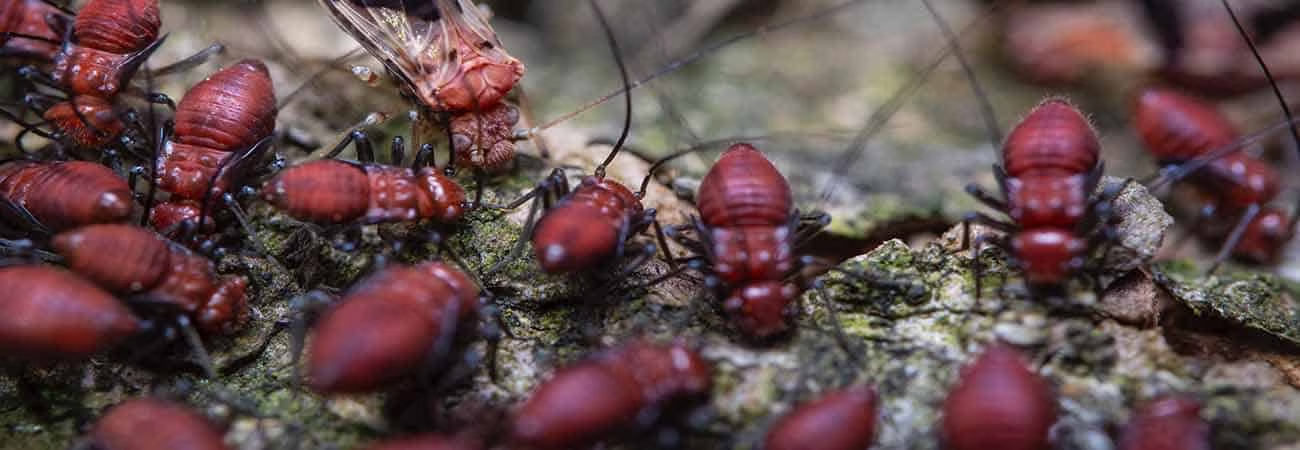
Termites and woodworms are two of the most common wood-eating pests affecting homes in Toronto in 2026. Both pests feed on timber, but they differ significantly in appearance, behaviour, and the extent of damage they cause. While woodworms are typically easier to manage with over-the-counter solutions, termites pose a more serious threat to wooden structures, foundations, and property value. Recognizing the differences between these pests is essential for homeowners to implement the right control measures and prevent costly structural damage. This 2026 guide provides clear information on termite and woodworm identification, feeding habits, habitats, and effective pest control strategies for Toronto homes.
Differences Between Termites and Woodworms:
There is not just a single difference between termites and woodworm. There are more, which are mentioned below:
Infestation:
It is challenging to identify the difference between woodworm and termite infestation, but it is not impossible. Different signs can tell you if the infestation has come from termites or woodworms. You may see winged termites in your vicinity or galleries in the form of mud tubes on walls and beams formed by termites. You might also see the presence of excrement in the soil or near wood; these are signs of termite infestation. If you see a pile of sawdust near affected structures or holes in the wood’s surface, it means the woodworm has infested the structures, not termites.
Size:
There is also a difference in the size of these insects. Woodworms are smaller in size, in contrast to termites. Woodworms are 3 to 7 millimetres in length, while termites have a dimension of 10 to 12 mm with wings.
Feeding Source:
Both termites and woodworms target woods; nonetheless, the feeding source for woodworms include cellulose, hemicellulose, and lignin. Termites also feed on cardboard and paper besides timber.
Habitat:
Woodworms prefer softwood and hardwood for infestation; on the other hand, termites’ habitat is subterranean anthill and earthy walkway.
Destruction:
Termites are the most unwanted pests when it comes to wooden structures. They attack wood leaving the superficial part intact, eroding the inner part, and crumbling it. Woodworms only cause small holes of flicker in wood; hence, termite infestation is more severe. If you want to get rid of your property’s termites for good, you should contact a pest control service in Toronto.
Why Should You be Worried about Termite Control in Toronto?
You can quickly get rid of woodworms using safe-to-use woodworm killers that you can buy from an outlet of your choice. On the other hand, termite infestation is severe, and you may not be able to handle it on your own. The right thing to do to exterminate termites from your home and feel safe is to consult pest control experts in Toronto. They will take care of future infestations too.
Conclusion
Both termites and woodworms feed on wood, so people sometimes do not know the difference between these two insects. Termites are six-legged insects, and the woodworms are the larval stage of some wood-eating beetles. There are more differences between these insects mentioned below:
- Wood worms and termites infest a property in different ways.
- Winged termites are larger than woodworms.
- Woodworms like feeding on cellulose, and termites prefer feeding on wood.
- Woodworms’ habitats are softwood and hardwood. The habitat of termites includes subterranean anthill and earthy walkway.
- Termites are the worst pests for wood destruction, whereas woodworms only cause small flicker holes in wood.
Lastly, the right way to exterminate termites from your residential space in Toronto is by consulting a pest control service.

10X HomeStars Best of Awards Winner
Related Articles
Pesticon Receives HomeStars Best of Awards 2026 for Excellence in Pest Control
Pesticon has been recognized with the HomeStars Best of Awards 2026 for excellence in pest control services in Toronto. Learn about our award-winning services a
Read article
Bee Removal in Toronto: Signs, Safe & Humane Solutions (2026)
If you’ve noticed bees swarming around your Toronto home, it’s likely they’re considering your walls, attic, or shed for a hive. While bees are essential pollin
Read article
Wasp Nest Removal in Toronto: When Buzzing Becomes a Serious Problem
If you’re searching for wasp nest removal in Toronto, chances are you’ve noticed increased wasp activity around your home. Wasps can become aggressive when thei
Read article