

What Are the Most Common Ingredients in Toronto Pesticides in 2026?
If you’ve ever used a pesticide at home or wondered what’s inside the products sold in Toronto, you’re not alone. While the exact ingredients can differ from brand to brand, most pesticide products contain a combination of active ingredients and inert ingredients, along with some contaminants and metabolites. Understanding what’s in these products can help you use them safely and effectively.
To know more about pesticides, continue reading this article.
What's in a pesticide product
For most people, a pesticide is something that you buy when you have pests in your house. But there is a lot more to that. The pesticide formulation which you purchase from the shop contains different materials. The materials include active and inert ingredients. It also contains contaminants and impurities.
On top of that, when pesticides are exposed to certain environmental conditions, they break down to other materials called metabolites. Sometimes, these metabolites are more toxic than their parent material.
Contaminants and Impurities
Contaminants and impurities are mostly mentioned on the pesticides label, which is the only formulation written on the pesticides' label. For a target pest, contaminants and impurities are chemically and biologically active. According to the definition, these chemicals kill living things.
The Contaminants and impurities frequently found in pesticide products are the ones responsible for the product's hazards. Dioxin and DDT have been detected as contaminants that were not included on purpose but are a result of the manufacturing process.
Metabolites
When the pesticide gets broken down, they make metabolites. They are formed when the pesticide gets used in the environment and mixes with water, air, and soil. Most of the time, the metabolite is more dangerous than the parent pesticide.
Inert Ingredients
When you visit your local hardware store and come across the label of an ant or a roach killer, then you might have read things like "5% Permethrin, 95% inert ingredient". You might be thinking, what are these inert ingredients?
The manufacturers don't necessarily have to disclose these inert ingredients. Under the current law, the manufacturers have to mention the active ingredients only. In this way, the consumers are left with curiosity about what toxic chemical is present in the inert ingredients of the pesticide products they are going to purchase.
The thing is that the inert ingredients are the secret ingredients of the manufacturers. They don't want to reveal it because if they do, some other competitors will start making the same product with the same element. Most of the time, the inert ingredients make up 95% of the pesticide products.
Conclusion
Most pesticide products in Toronto are composed mostly of inert ingredients (about 95%), with active ingredients making up the remainder. Contaminants, impurities, and metabolites can add to the chemical complexity. Understanding these components helps you use pesticides safely and responsibly while protecting your home, health, and the environment.

10X HomeStars Best of Awards Winner
Related Articles
Pesticon Receives HomeStars Best of Awards 2026 for Excellence in Pest Control
Pesticon has been recognized with the HomeStars Best of Awards 2026 for excellence in pest control services in Toronto. Learn about our award-winning services a
Read article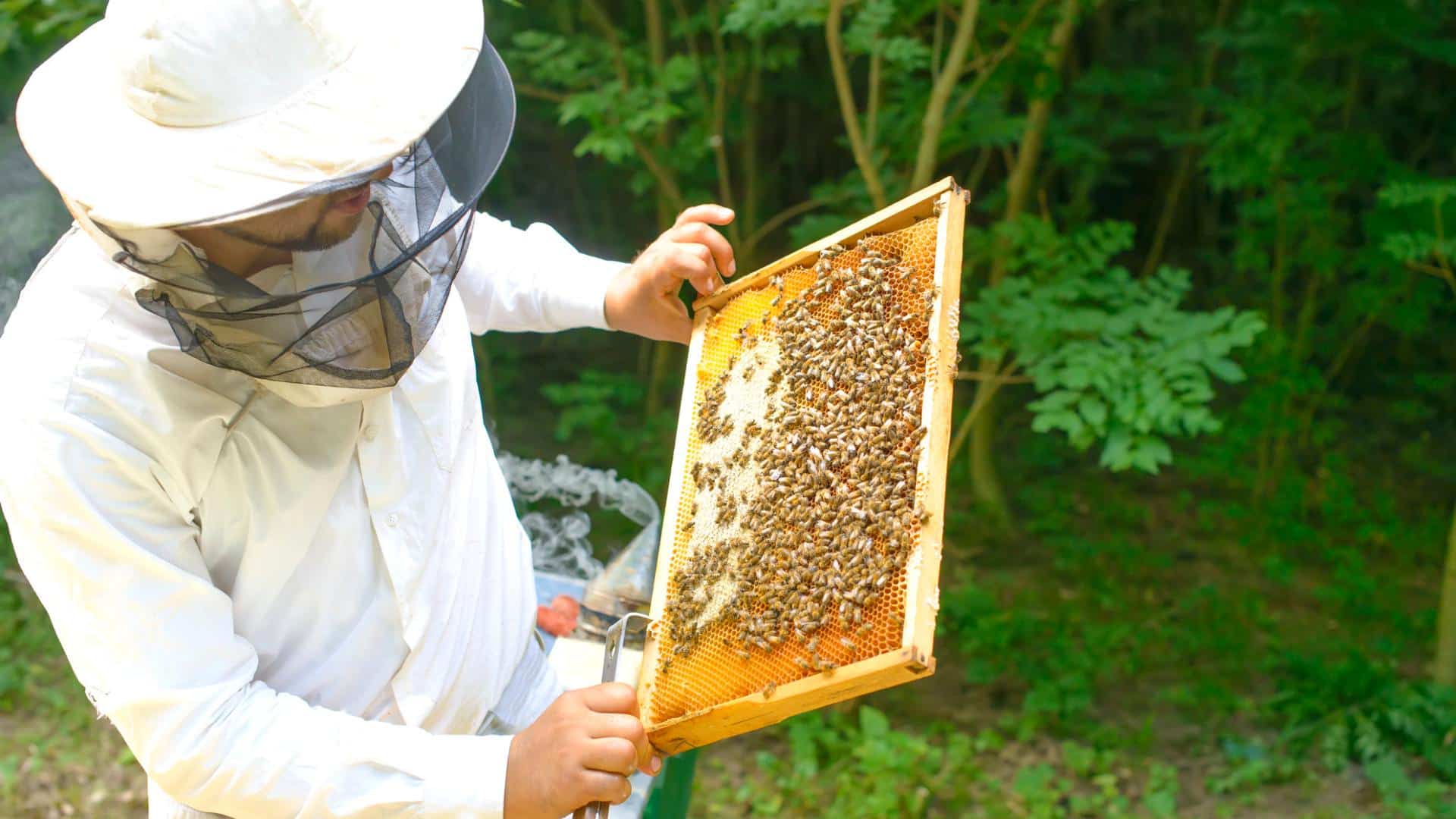
Bee Removal in Toronto: Signs, Safe & Humane Solutions (2026)
If you’ve noticed bees swarming around your Toronto home, it’s likely they’re considering your walls, attic, or shed for a hive. While bees are essential pollin
Read article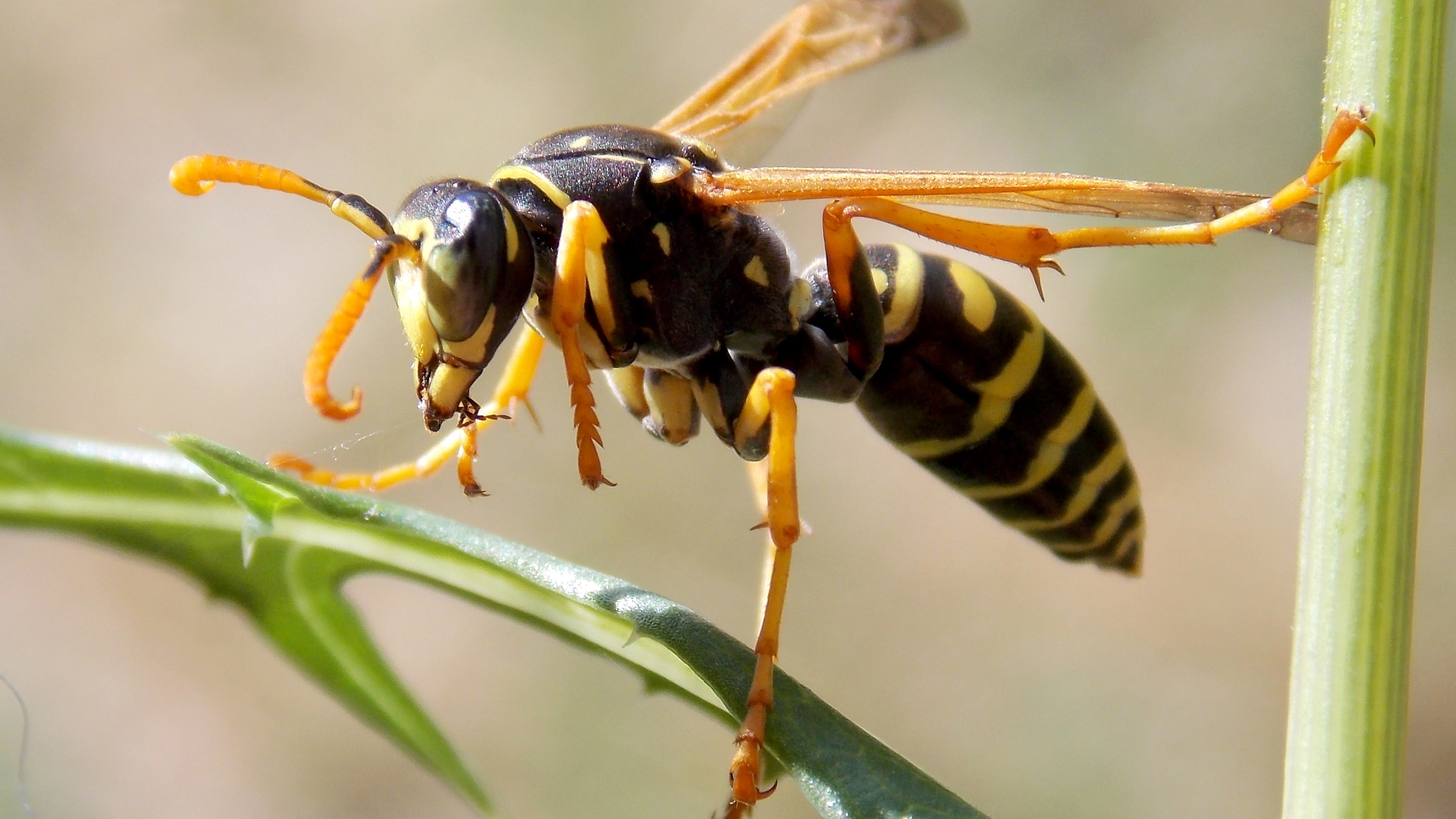
Wasp Nest Removal in Toronto: When Buzzing Becomes a Serious Problem
If you’re searching for wasp nest removal in Toronto, chances are you’ve noticed increased wasp activity around your home. Wasps can become aggressive when thei
Read article