
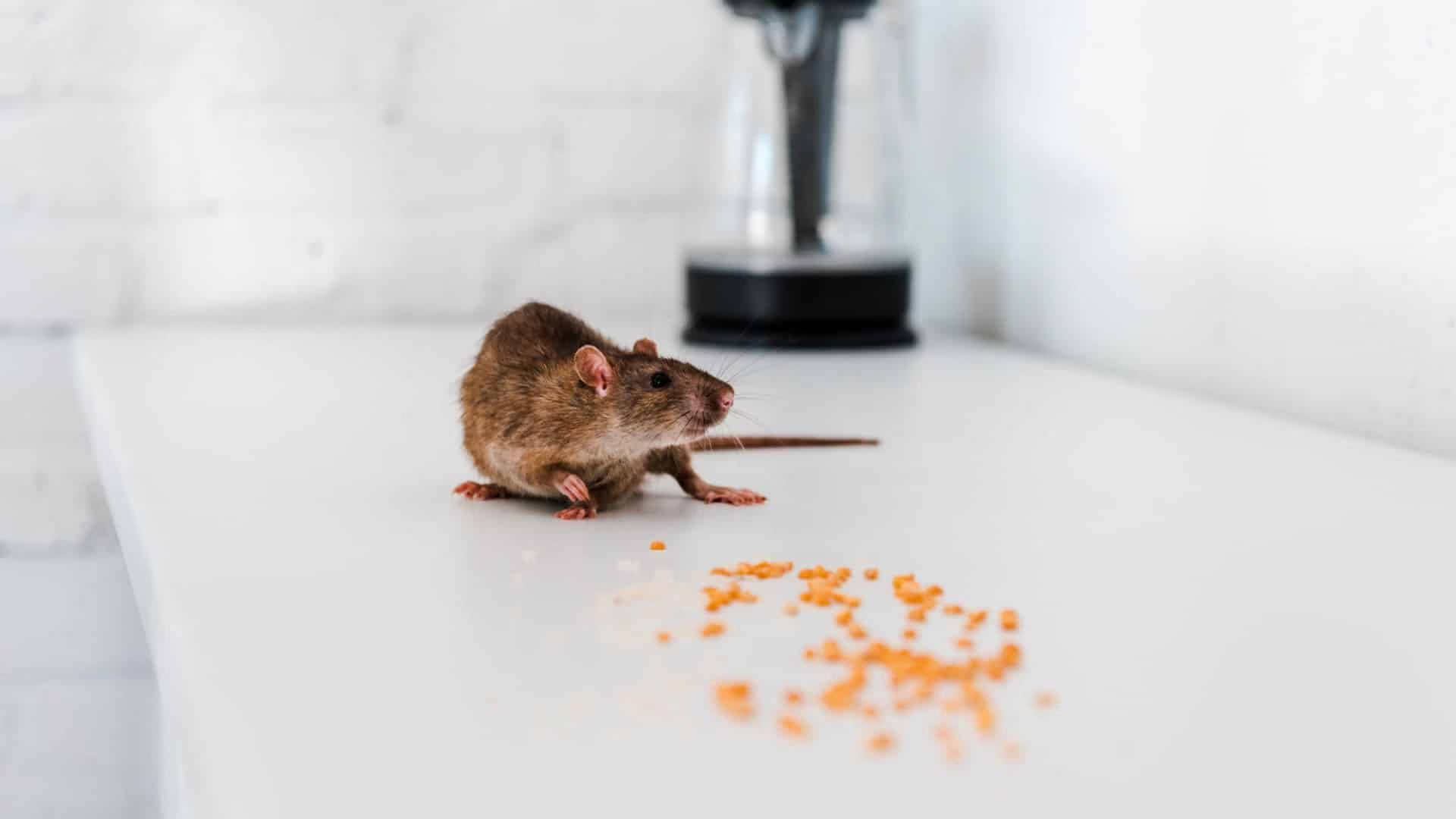
The Most Rodent-Infested Neighborhoods in Toronto 2026: Are You at Risk?
Rodent infestations are becoming an increasingly serious issue in Toronto, affecting both residential and commercial properties across the city. In 2026, the problem shows no signs of slowing down, with certain neighbourhoods experiencing higher rodent activity than ever before. These pests are more than just a nuisance—they can damage property, contaminate food, and pose serious health risks to families and employees alike.
Understanding which areas are most affected, recognizing the early signs of infestation, and taking proactive preventive measures have never been more critical. Toronto’s dense urban environment, ongoing construction projects, and warmer winters create perfect conditions for rats and mice to thrive, making it essential for residents and business owners to stay vigilant.
This comprehensive guide will provide an updated overview of Toronto’s rodent challenges in 2026, highlight the neighbourhoods most at risk, and share practical strategies to protect your home or business from these unwelcome intruders. By staying informed and prepared, you can safeguard your property, maintain a healthy living environment, and reduce the chances of costly infestations.
What You Should Know About Rodent Infestation in Toronto
Toronto has consistently faced challenges with rodent infestations, particularly involving rats and mice. In 2026, updated studies and municipal reports indicate that Toronto continues to rank among Canada’s top “Rattiest Cities,” based on rodent treatments conducted in the last year (2025–2026).
Recent studies have highlighted a significant increase in rodent populations within the city. Research published in Science Advances indicates that Toronto's rat population has risen by 186% over the past decade. New municipal pest reports show that urban rodent sightings have increased by 12% compared to 2024, likely influenced by ongoing development and warmer winter conditions.
This surge in rodent activity poses various challenges for residents and businesses, including potential health risks and property damage.
Factors Contributing to High Rodent Populations
Several elements contribute to the elevated rodent populations in Toronto:
- Urban Density: Toronto's dense population provides ample food and shelter for rodents, as improperly stored garbage offers easy access to sustenance.
- Construction and Development: Ongoing construction projects disturb rodent habitats, causing them to seek refuge in nearby areas.
- Climate Change: Milder winters and warmer temperatures create favourable conditions for rodents to thrive and reproduce, increasing infestations.
Understanding these factors is crucial for effective rodent control in Toronto.
Identifying the Most Affected Neighborhoods
Toronto's rodent issues are widespread, but certain areas report higher activity. According to Orkin Canada's 2024 data, Toronto tops the list of Canada's "Rattiest Cities." Within the Greater Toronto Area (GTA), several neighbourhoods have notable rodent problems:
- Downtown Core: High population density and older infrastructure make this area susceptible to infestations.
- Scarborough: Consistently ranks in the top 10 for rodent issues.
- North York: Reports of increased sightings, possibly due to construction activities.
- Etobicoke: A growing number of infestations are occurring in residential zones.
Understanding the specific challenges in these neighbourhoods can help residents take targeted preventive actions.
Assessing Your Risk
Understanding your potential exposure to rodent infestations in Toronto involves evaluating several key factors:
- Proximity to High-Risk Areas: Your risk may be elevated if you reside in or near neighbourhoods with documented rodent issues, such as the downtown core, Scarborough, North York, or Etobicoke.
- Property Characteristics: Older buildings, especially those with deteriorating infrastructure, can have gaps or cracks that serve as rodent entry points. Additionally, properties close to restaurants or food markets may attract rodents due to readily available food sources.
- Nearby Construction: Living near active construction sites can increase risk, as these projects often disrupt existing rodent habitats, causing them to seek new shelter in adjacent areas.
- Seasonal Variations: Rodent activity can fluctuate with the seasons. For instance, colder months may drive rodents indoors to seek warmth, while warmer seasons might increase outdoor activity.
Considering these factors, you can better assess your vulnerability to rodent problems and proactively mitigate potential issues.
Preventative Measures
To effectively manage and prevent rodent infestations in Toronto, consider implementing the following strategies:
- Seal Entry Points: Inspect your property for any openings, such as cracks in walls, gaps around doors and windows, or holes in the foundation. Use materials like steel wool and caulking to seal these entryways, as rodents can squeeze through surprisingly small spaces.
- Maintain Cleanliness: Regular cleaning reduces potential food sources for rodents. Ensure that kitchens and dining areas are free of crumbs and spills. Store food in airtight containers and clean up promptly after meals to deter rodents from seeking sustenance in your home.
- Proper Waste Management: Garbage should be stored in sealed bins and disposed of regularly. Rodents are attracted to easily accessible waste, so securely storing trash can significantly reduce the risk of infestation.
- Outdoor Maintenance: Trim trees and bushes to prevent them from touching your house. Overhanging branches can serve as pathways for rodents. Mow your lawn regularly and remove debris to eliminate potential nesting sites.
- Professional Pest Control Services: If you notice signs of a rodent problem, such as droppings, gnaw marks, or scratching noises, consult experienced pest control professionals. Companies like Pesticon offer specialized Rodent Control Toronto services to address and prevent infestations effectively.
Implementing these measures can help safeguard your property against rodents and maintain a healthy living environment.
Taking Action to Protect Your Property
Rodent infestations continue to be a significant concern in Toronto, especially in high-risk neighbourhoods. Understanding the factors contributing to rodent problems—such as urban density, construction, and seasonal changes—can help protect your property proactively. By maintaining cleanliness, sealing entry points, and acting quickly at the first sign of an infestation, you can reduce the chances of a rodent problem.
At Pesticon, we specialize in Rodent Control Toronto, providing trusted, effective, and long-term solutions for homes and businesses. With years of experience handling mouse infestation and Rat Control in Toronto, our licensed professionals know how to identify, eliminate, and prevent rodent infestations before they cause costly damage.
Don't wait until the problem gets worse, take action today. Call Pesticon now for a free consultation, and let our experts help you secure your property from rodents. Book your rodent inspection now!

10X HomeStars Best of Awards Winner
Related Articles
Pesticon Receives HomeStars Best of Awards 2026 for Excellence in Pest Control
Pesticon has been recognized with the HomeStars Best of Awards 2026 for excellence in pest control services in Toronto. Learn about our award-winning services a
Read article
Bee Removal in Toronto: Signs, Safe & Humane Solutions (2026)
If you’ve noticed bees swarming around your Toronto home, it’s likely they’re considering your walls, attic, or shed for a hive. While bees are essential pollin
Read article
Wasp Nest Removal in Toronto: When Buzzing Becomes a Serious Problem
If you’re searching for wasp nest removal in Toronto, chances are you’ve noticed increased wasp activity around your home. Wasps can become aggressive when thei
Read article