
Protect Your Inventory: The True Cost of Rats in the Workplace
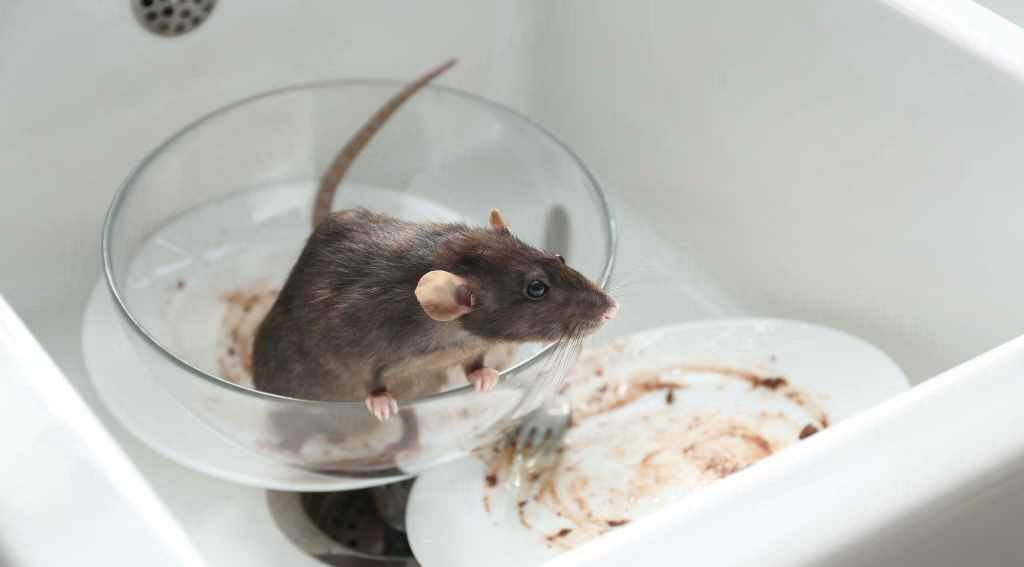
Rats in the workplace are a growing concern in 2026, posing a serious threat to inventory, operational efficiency, and business reputation. With urban expansion, increased construction, and denser commercial areas in Toronto, rat infestations are becoming more common and costly. Even a single sighting can disrupt operations, contaminate products, and result in significant financial losses.
Businesses across retail, warehousing, food services, and manufacturing now face stricter inspections, higher liability standards, and heightened customer expectations in 2026. Understanding the risks rats pose and implementing proactive strategies is essential for keeping your inventory safe, operations smooth, and reputation intact.
This guide outlines the dangers rats present, high-risk areas in your workplace, early signs of infestations, and effective prevention and response strategies tailored for 2026 workplace standards.
Understanding the Risks Rats Pose to Inventory
Rats in the workplace can lead to significant challenges, especially concerning your inventory. Recognizing these risks is the first step toward effective prevention and control.
1. Direct Damage
- Chewing Habits: Rats instinctively gnaw on various materials, including packaging, wiring, and products. This behaviour can result in substantial inventory losses.
- Contamination: Beyond physical damage, rats can contaminate goods with their droppings, urine, and fur. This contamination is particularly concerning in the food and pharmaceutical industries, where product integrity is crucial.
2. Indirect Damage
- Brand Reputation: Damaged or contaminated products can erode customer trust, leading to negative reviews and a tarnished brand image.
- Operational Disruptions: Infestations may cause shipping delays, necessitate product recalls, and increase operational costs due to the need for additional quality control measures.
3. Financial Implications
- Lost Revenue: Businesses can face significant financial losses due to unsellable products and decreased customer loyalty from rat-related issues.
- Regulatory Fines: Failing to meet health and safety standards due to a rat infestation can lead to fines and potential legal action, further impacting the bottom line.
Understanding these risks underscores the importance of proactive measures to protect your inventory from rat-related damage.
High-Risk Areas in the Workplace
Certain areas within a workplace are more susceptible to rat infestations due to their environment and usage. Identifying these high-risk zones is essential for protecting your inventory and maintaining a pest-free workplace.
1. Storage Areas and Warehouses
- Why They’re Vulnerable:
- Large, cluttered spaces with limited foot traffic provide ideal hiding and nesting spots for rats.
- Packaging materials, boxes, and stored goods offer food and shelter.
- Common Issues:
- Gnawed boxes and damaged products.
- Contaminated goods from droppings and urine.
- Preventative Steps:
- Keep inventory organized and off the ground using elevated shelving.
- Regular inspections should be conducted to detect early signs of infestation.
2. Manufacturing Floors
- Why They’re Vulnerable:
- Machinery and raw materials attract rats seeking warmth, shelter, and food.
- Loose wiring and hoses are particularly appealing for gnawing.
- Common Issues:
- Damaged machinery leads to production delays.
- Contaminated raw materials, especially in food or pharmaceutical manufacturing.
- Preventative Steps:
- Seal entry points around machinery and utility connections.
- Store raw materials in rodent-proof containers.
3. Shipping and Receiving Zones
- Why They’re Vulnerable:
- Frequent openings in loading docks and doors allow rats easy access.
- Unsecured shipping materials like pallets and crates can harbour pests.
- Common Issues:
- Infestations spread from delivery vehicles to storage areas.
- Contaminated packaging materials and delays in shipments.
- Preventative Steps:
- Install weather stripping and pest barriers around doors.
- Inspect deliveries for signs of infestation before bringing them inside.
By focusing on these high-risk areas, businesses can prioritize prevention and implement targeted measures to reduce the likelihood of infestations.
Early Signs of a Rat Problem in the Workplace
Identifying the early signs of rats in the workplace is crucial for preventing significant damage to your inventory. Rats are nocturnal and skilled at hiding, so vigilance is vital.
1. Droppings
- What to Look For:
- Small, dark, pellet-shaped droppings, typically clustered in corners, along walls, or near food sources.
- Common Locations:
- Storage rooms, under shelving, or near garbage bins.
- Why It Matters:
- Droppings are a clear indicator of active rodent presence and can lead to contamination of goods.
2. Gnaw Marks
- What to Look For:
- Teeth marks on packaging, furniture, cables, or inventory.
- Fresh gnaw marks are lighter in colour, indicating recent activity.
- Common Locations:
- Around wooden pallets, electrical wiring, or cardboard storage boxes.
- Why It Matters:
- Gnawing causes structural and electrical damage, posing risks to safety and operations.
3. Tracks and Smudge Marks
- What to Look For:
- Greasy smudges or dirt trails along walls, floors, and beams caused by rats brushing against surfaces.
- Footprints or tail marks in dusty areas.
- Common Locations:
- Along baseboards, pipes, and rafters.
- Why It Matters:
- Indicates frequent movement patterns and helps identify nesting or feeding areas.
4. Noises and Odours
- What to Listen For:
- Scratching, squeaking, or scurrying sounds, particularly at night.
- What to Smell:
- A strong, musky odour, especially in enclosed spaces like basements or attics.
- Why It Matters:
- Noise and smell can signal the severity of an infestation and indicate hidden nests.
5. Live or Dead Rats
- What to Look For:
- Seeing a live rat during the day often indicates a severe infestation.
- Dead rats in hidden areas can contribute to unpleasant odours and attract more pests.
- Why It Matters:
- Immediate action is required to prevent further infestations and address rodent health risks.
By staying alert to these signs, businesses can quickly address infestations before they escalate, protecting inventory and maintaining a safe workplace.
Preventative Strategies to Protect Inventory
Preventing rat infestations in the workplace is more cost-effective and less disruptive than dealing with an active problem. Implementing these strategies can safeguard your inventory and ensure a pest-free environment.
1. Sealing Entry Points for Pest Control
- What to Do:
- Inspect the building for gaps, cracks, or holes in walls, floors, and ceilings.
- Use steel wool, caulk, and metal mesh to seal potential entry points.
- High-Risk Areas:
- Around doors, windows, utility lines, and ventilation ducts.
- Why It Matters:
- Prevents rats from entering the premises and reduces the need for reactive measures.
2. Proper Storage Practices
- What to Do:
- Store inventory on elevated shelving at least 18 inches off the ground.
- Use rodent-proof containers for food, raw materials, and other vulnerable items.
- Avoid leaving products in unsealed packaging or cardboard boxes.
- Why It Matters:
- Limits access to food and shelter, making the workplace less attractive to pests.
3. Waste Management
- What to Do:
- Use sealed, rodent-proof garbage bins and empty them regularly.
- Store waste and recycling bins away from entry points and storage areas.
- Clean garbage disposal zones daily to remove food debris.
- Why It Matters:
- Reduces potential food sources that attract rats to your workplace.
4. Routine Inspections
- What to Do:
- Schedule regular checks of high-risk areas like storage rooms, loading docks, and basements.
- Partner with professionals for thorough inspections, such as pest management services GTA.
- Why It Matters:
- Identifies early signs of infestations and ensures timely intervention.
5. Employee Education and Training
- What to Do:
- Train employees to recognize signs of rat activity and report issues immediately.
- Provide guidelines on maintaining cleanliness and proper waste disposal.
- Why It Matters:
- Creates a proactive workforce that helps maintain a pest-free environment.
6. Use of Smart Monitoring Tools
- What to Do:
- Install motion-activated cameras, smart traps, or bait stations to monitor pest activity.
- Set up these tools in high-risk areas for continuous surveillance.
- Why It Matters:
- Detects infestations early and allows for targeted actions, reducing inventory loss.
By incorporating these preventative measures, businesses can significantly reduce the risk of rat infestations and protect their inventory from damage.
Advanced Protection Measures
When standard preventative strategies aren’t enough, advanced techniques can provide an extra layer of security against rats in the workplace. These measures combine cutting-edge technology and sustainable practices to ensure long-term protection for your inventory.
1. Integrated Pest Management (IPM)
- What It Is:
- A comprehensive approach that combines prevention, monitoring, and targeted treatments to address pest problems at their source.
- How It Works:
- Identifies the root causes of infestations and implements tailored solutions, such as sealing entry points, improving storage practices, and applying non-toxic treatments.
- Why It’s Effective:
- Minimizes chemical use while providing long-term pest control, aligning with eco-friendly pest control Toronto standards.
2. Technology-Driven Monitoring
- What to Use:
- Smart traps are equipped with motion sensors and real-time notifications.
- Cameras for continuous monitoring of high-risk areas.
- Benefits:
- Allows for early detection of rat activity, enabling prompt intervention.
- Reduces reliance on manual inspections, saving time and resources.
3. Non-Toxic Pest Control Solutions
- What to Implement:
- Eco-friendly baits and traps that pose no risk to employees or the environment.
- Biological control methods, such as natural repellents, were applicable.
- Why It Matters:
- Protects inventory without introducing harmful chemicals, maintaining a safe work environment.
4. Professional Rat Extermination Services
- Why Partner with Experts:
- Professionals provide tailored solutions based on your specific workplace and inventory needs.
- Services include advanced trapping methods, rodent-proofing, and regular monitoring programs.
- When to Call:
- For severe infestations or to establish a proactive pest management plan.
- Trusted Providers:
- Collaborate with rat exterminator Toronto professionals who have experience in commercial pest management.
5. Advanced Sealing Techniques
- What to Do:
- Use industrial-grade materials to seal structural vulnerabilities, including ventilation shafts, utility connections, and loading docks.
- Install automatic door sweeps and weather stripping to block entry.
- Why It’s Effective:
- Strengthens the building’s defences against pests, reducing infestation risks significantly.
6. Scheduled Maintenance Plans
- What It Includes:
- Routine inspections and pest control treatments.
- Ongoing assessment of preventive measures to adapt to changing conditions.
- Benefits:
- Ensures consistent protection and keeps infestations at bay.
- Provides peace of mind with regular oversight from local pest control experts in Toronto.
These advanced measures enhance traditional strategies, offering a robust defence against rats in the workplace. By implementing them, businesses can protect their inventory more effectively and maintain a safe, pest-free environment.
Responding to a Rat Infestation in the Workplace
If you’ve identified signs of rats in the workplace, taking swift and decisive action is critical to minimize damage to your inventory and ensure the safety of your operations. Here’s how to respond effectively:
1. Immediate Containment
- Isolate Affected Areas:
- Restrict access to areas where rat activity has been detected to prevent further contamination.
- Cover exposed inventory with protective materials like plastic sheeting.
- Why It’s Important:
- Prevents rats from spreading to other parts of the workplace while protecting existing inventory.
2. Notify Professional Pest Control Services
- What to Do:
- Contact a trusted rat exterminator in Toronto immediately for a thorough assessment and extermination plan.
- Why It’s Critical:
- Professionals can quickly identify the scope of the infestation and deploy targeted solutions.
3. Remove and Dispose of Contaminated Inventory
- How to Handle:
- Safely dispose of any items chewed, contaminated, or damaged by rats.
- Follow local waste disposal regulations to ensure compliance.
- Why It’s Necessary:
- Prevents health risks and ensures that contaminated goods don’t reach customers.
4. Conduct a Deep Clean
- Steps to Follow:
- Use industrial-grade cleaning products to sanitize all surfaces, shelves, and floors in affected areas.
- Focus on areas where droppings, urine, or nesting materials were found.
- Why It’s Essential:
- Eliminates traces of rat activity and reduces the risk of attracting more pests.
5. Implement Immediate Preventative Measures
- Actions to Take:
- Seal any identified entry points using steel wool, caulk, or metal mesh.
- Place bait stations and traps strategically in high-activity zones.
- Why It’s Effective:
- Stops more rats from entering the building while addressing the existing infestation.
6. Document the Incident
- What to Include:
- Record all actions, including extermination efforts, inventory losses, and cleaning procedures.
- Why It’s Important:
- Provides documentation for insurance claims and compliance with health and safety regulations.
7. Schedule a Follow-Up Inspection
- When to Do It:
- Once the infestation has been addressed, schedule a follow-up with Toronto pest control services to confirm the workplace is rat-free.
- Why It’s Necessary:
- Ensures all rats have been eliminated and preventative measures are functioning effectively.
By acting quickly and systematically, you can control an infestation before it causes further damage or disrupts your operations.
Case Studies: Real-Life Examples of Inventory Protection
Real-world examples illustrate how businesses have successfully managed rat infestations and protected their inventory using proactive measures and professional pest control solutions.
Case Study 1: A Food Storage Facility in Toronto
- Problem:
- The facility experienced significant inventory loss due to rats contaminating packaged goods.
- Multiple health code violations were issued, putting operations at risk.
- Solution:
- Partnered with Integrated Pest Management Toronto professionals to seal entry points and set up bait stations.
- Conducted weekly inspections and implemented proper waste management protocols.
- Result:
- Reduced contamination incidents by 85% within three months.
- Passed all follow-up health inspections without infractions.
Case Study 2: Retail Store in Downtown Toronto
- Problem:
- Rats damaged clothing inventory stored in a poorly maintained stockroom, resulting in $10,000 in losses.
- Solution:
- Improved storage practices by elevating inventory and using rodent-proof containers.
- Engaged local pest control experts in Toronto to monitor and address rat activity.
- Result:
- Prevented further inventory damage and restored customer confidence.
Case Study 3: Manufacturing Facility in the GTA
- Problem:
- Rats gnawed on electrical wiring, causing machinery downtime and delayed production schedules.
- Solution:
- Sealed gaps near utility connections and installed non-toxic traps in production areas.
- Conducted regular maintenance checks as part of a commercial pest management Toronto plan.
- Result:
- Eliminated wiring damage and achieved uninterrupted operations for 12 months.
Case Study 4: Warehouse Distribution Center
- Problem:
- A rat infestation led to widespread contamination of stored goods, delaying client shipments.
- Solution:
- Employed clever traps with motion sensors for real-time monitoring.
- Engaged pest management services GTA for ongoing inspections and treatments.
- Result:
- Reclaimed pest-free status within six weeks and maintained it with routine follow-ups.
These success stories demonstrate the importance of combining professional expertise with tailored pest control strategies to address rat infestations and safeguard inventory.
Protect Your Workplace, Protect Your Inventory
Rats in the workplace are more than a nuisance—they pose a significant threat to your inventory, operations, and reputation. From damaged goods to regulatory fines, the costs of an infestation can quickly spiral out of control. By understanding the risks, identifying high-risk areas, and implementing preventative strategies, you can safeguard your business from these persistent pests.
Advanced measures like Integrated Pest Management Toronto, smart traps, and professional pest control services offer the long-term protection businesses need. Whether managing a retail store, warehouse, or manufacturing facility, combining proactive measures with expert guidance ensures your inventory remains safe and your operations uninterrupted.
At Pesticon, we specialize in rat control in Toronto, providing businesses with tailored solutions to prevent and address infestations. With our trusted services, you can protect your workplace and maintain a pest-free environment year-round.
Contact Pesticon today to schedule a consultation and learn how we can help protect your inventory and keep your business running smoothly!

10X HomeStars Best of Awards Winner
Related Articles
Pesticon Receives HomeStars Best of Awards 2026 for Excellence in Pest Control
Pesticon has been recognized with the HomeStars Best of Awards 2026 for excellence in pest control services in Toronto. Learn about our award-winning services a
Read article
Bee Removal in Toronto: Signs, Safe & Humane Solutions (2026)
If you’ve noticed bees swarming around your Toronto home, it’s likely they’re considering your walls, attic, or shed for a hive. While bees are essential pollin
Read article
Wasp Nest Removal in Toronto: When Buzzing Becomes a Serious Problem
If you’re searching for wasp nest removal in Toronto, chances are you’ve noticed increased wasp activity around your home. Wasps can become aggressive when thei
Read article