
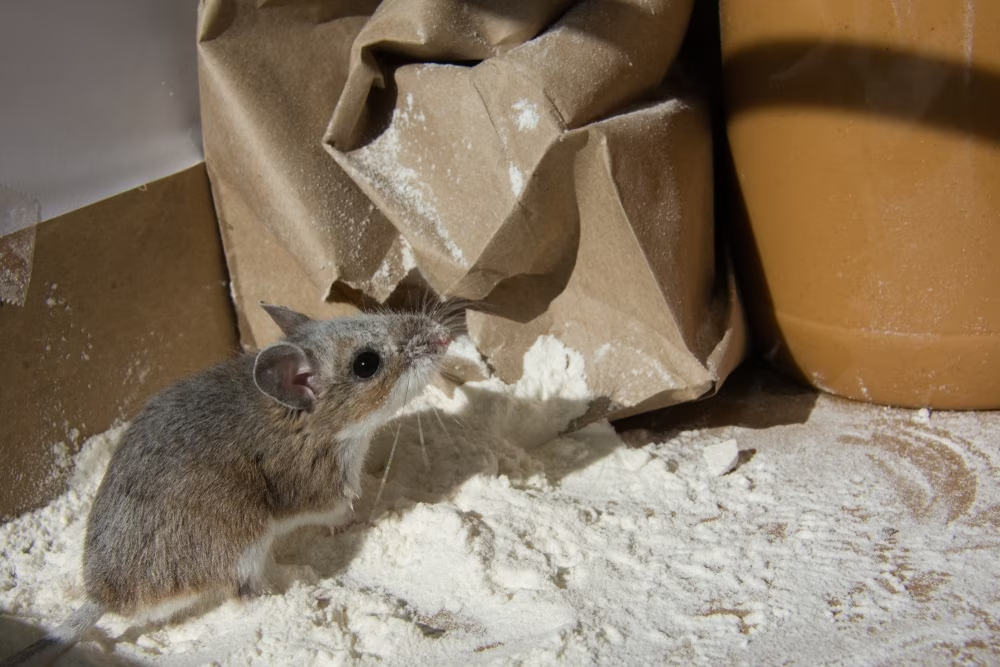
How to Find and Seal Rodent Entry Points in Homes and Commercial Spaces in Vaughan (2026 Guide)
Rodents are more than just a nuisance. Rats and mice can damage property, contaminate food, and spread harmful diseases to humans. Once rodents enter your home or commercial property, they can multiply quickly and become difficult to remove.
The best way to stop rodents is to prevent them from entering in the first place. Identifying and sealing entry points is one of the most effective steps in rodent prevention.
At Pesticon, we provide professional rodent control services in Vaughan that help homeowners and businesses eliminate infestations and prevent rodents from returning. In this guide, we explain how to identify common rodent entry points and the best ways to seal them.
How to Inspect Your Property for Rodent Entry Points
Before sealing entry points, you should carefully inspect your property. Rodents can squeeze through extremely small gaps, so it’s important to check areas that are often overlooked.
Walk around the exterior and interior of your building and look for signs such as:
- Small holes or cracks in walls or foundations
- Gaps around pipes or utility lines
- Damaged vents or screens
- Droppings near walls or corners
- Gnaw marks or grease marks around openings
Pay special attention to basements, garages, attics, and storage areas, as rodents often use these spaces to enter and hide.
Below are some of the most common entry points rodents use to access homes and commercial buildings in Vaughan.
Cracks in Walls and Foundations
Small cracks in walls or foundations are one of the most common rodent entry points.
Rats and mice can squeeze through surprisingly small openings. Mice can enter through holes as small as a dime, while rats only need slightly larger gaps.
How to seal them:
- Inspect exterior walls and foundations carefully.
- Use durable wall caulk or sealant to fill small cracks.
- For larger gaps, use cement or metal flashing to block access.
- Steel wool can be inserted before sealing to prevent rodents from chewing through.
Regularly checking your property for new cracks is important, especially if your building is older or located near construction areas.
Vents and Air Duct Openings
Vents often provide easy access for rodents because they connect directly to the inside of a building.
Poorly maintained vents or gaps around them can allow rodents to enter unnoticed.
How to protect vents:
- Install strong metal vent covers or mesh screens.
- Seal gaps around vents using caulk or expanding foam.
- Replace damaged or loose vent covers immediately.
These simple steps can prevent rodents from entering through ventilation systems.
Windows and Window Frames
Windows can also become entry points, particularly if they have damaged seals or gaps around the frame.
Rodents are flexible and can squeeze through surprisingly small spaces.
Prevention tips:
- Inspect window frames for gaps or cracks.
- Use weather stripping or sealant to close openings.
- Install mesh screens if you prefer to keep windows open.
- Always close unused windows, especially at night.
Proper window maintenance helps reduce the chances of rodents entering your property.
Chimneys
Chimneys are another common rodent entry point in homes and commercial buildings.
Rodents can climb easily and often enter through uncovered chimneys. In some cases, they may even build nests inside chimney ducts where they remain hidden.
How to secure chimneys:
- Install a chimney cap to block rodent access.
- Inspect the chimney regularly for signs of nesting or debris.
- Repair any cracks or structural damage around the chimney base.
A properly covered chimney can prevent rodents, birds, and other pests from entering.
Utility Lines and Pipe Openings
Pipes, cables, and utility lines that enter your building often leave small gaps that rodents can use.
These areas are frequently overlooked during inspections.
How to seal them:
- Check where pipes or wires enter walls.
- Fill gaps using caulk, cement, or expanding foam.
- Install metal plates or mesh for additional protection.
Sealing these small openings can significantly reduce rodent access points.
Why Rodent Proofing Is Important in Vaughan
Rodent infestations are becoming increasingly common in urban areas like Vaughan due to ongoing construction, population growth, and increased food waste.
Rodents can cause serious problems, including:
- Spreading diseases such as Salmonella and Leptospirosis
- Contaminating food and surfaces
- Damaging electrical wiring and insulation
- Causing costly structural damage
Proper rodent-proofing helps protect both residential and commercial properties from these risks.
Professional Rodent Control Services in Vaughan
While sealing entry points is essential, identifying every possible opening can be challenging without professional experience.
At Pesticon, our rodent control specialists provide comprehensive solutions that include:
- Detailed property inspections
- Identification of rodent entry points
- Safe and effective rodent removal
- Professional rodent proofing services
- Long-term prevention strategies
We help homeowners and businesses eliminate rodent infestations and keep properties protected year-round.
Protect Your Property from Rodents
Rodents are persistent pests that can enter buildings through the smallest openings. Regular inspections and proper sealing of entry points are essential to keeping them out.
If you suspect rodent activity or want to protect your property from future infestations, professional help can make a significant difference.
Contact Pesticon today for expert rodent control services in Vaughan and ensure your home or business stays rodent-free.

10X HomeStars Best of Awards Winner
Related Articles
Pesticon Receives HomeStars Best of Awards 2026 for Excellence in Pest Control
Pesticon has been recognized with the HomeStars Best of Awards 2026 for excellence in pest control services in Toronto. Learn about our award-winning services a
Read article
Bee Removal in Toronto: Signs, Safe & Humane Solutions (2026)
If you’ve noticed bees swarming around your Toronto home, it’s likely they’re considering your walls, attic, or shed for a hive. While bees are essential pollin
Read article
Wasp Nest Removal in Toronto: When Buzzing Becomes a Serious Problem
If you’re searching for wasp nest removal in Toronto, chances are you’ve noticed increased wasp activity around your home. Wasps can become aggressive when thei
Read article