Don’t Let Rats Close Your Doors in 2026: A Guide to Staying Compliant with Toronto Health Codes
Running a business in Toronto in 2026 means more than offering excellent food or services—it requires staying fully compliant with the city’s health codes. Failure to comply can result in fines, temporary closures, and long-term reputational damage for restaurants, cafés, hotels, and other customer-facing businesses.
Toronto’s DineSafe program holds businesses accountable by conducting regular inspections focused on hygiene, food safety, and pest control. With inspection results publicly accessible, even a minor violation can put your reputation at risk. A rat infestation in Toronto is among the most critical issues, one sighting could result in immediate closure, signalling to customers that your business is unsafe.
In this blog, we’ll explain Toronto’s health codes, outline the best practices for keeping your business compliant, and provide tips on maintaining a rat-free environment to protect your bottom line and reputation.
Overview of Toronto’s Health Codes Related to Pest Control
Toronto’s health codes, especially under the DineSafe program, emphasise maintaining a pest-free environment to ensure public health and food safety. Compliance with these codes is critical for businesses, as infractions can result in fines, conditional passes, or temporary closures.
- DineSafe Program Requirements: DineSafe inspections focus heavily on preventing pest infestations. Establishments must demonstrate proactive pest control measures, such as regular inspections and pest management records, to pass inspections. Failure to comply with these requirements may result in conditional passes, with a follow-up inspection required within 48 hours.
- Food Safety and Pest Control Regulations: Businesses must implement comprehensive pest control strategies, including proper waste storage, sealing entry points, and maintaining cleanliness in food preparation areas. Evidence of rodent activity, such as droppings or gnawed food packaging, constitutes a severe violation.
- Public Health Penalties: Infractions related to pest control are treated seriously. Businesses cited for pest-related issues can be immediately closed until the problem is resolved. Health code violations are also publicly listed, impacting a business’s reputation and customer trust.
- Publicly Accessible Inspection Results: Toronto Public Health makes inspection results available through platforms like the DineSafe website. This transparency ensures that customers can make informed decisions and encourages businesses to maintain compliance with health standards.
Common Health Code Violations Related to Rats
Toronto’s health codes strongly emphasise pest control, with rats being a critical business concern. Here are some of the most common violations that businesses encounter related to rats and pest management:
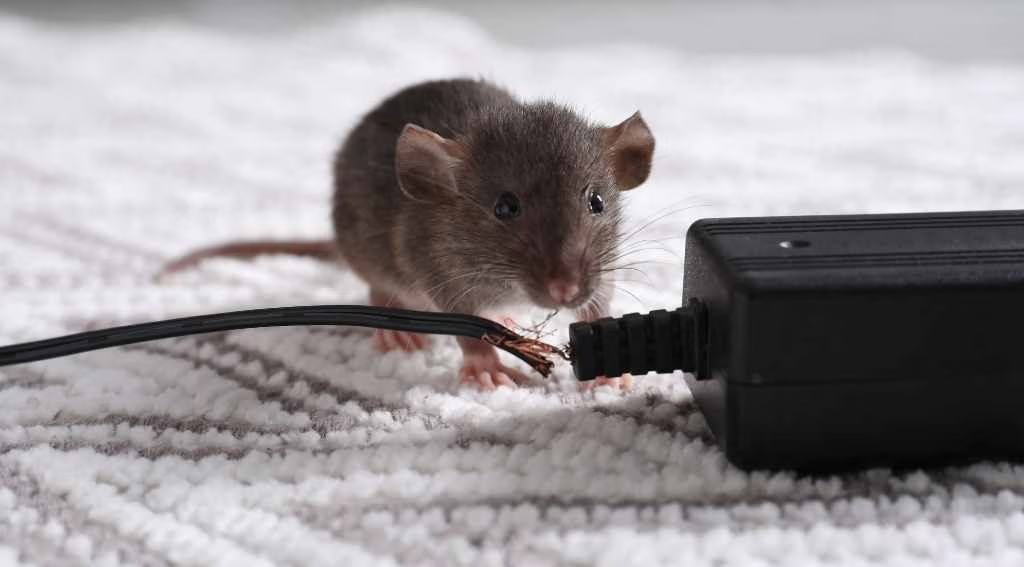
- Evidence of Rat Activity: The presence of droppings, gnawed packaging, or live rodents in food preparation areas or storage rooms is an immediate health code violation. Rats pose serious health risks, as they carry diseases and contaminate food, making it unsafe for consumption.
- Failure to Maintain Proper Records: Toronto health inspectors require businesses to keep records of pest control measures taken, including proof of regular inspections and extermination services. Failure to maintain these records can result in a conditional pass, requiring immediate corrective action.
- Improper Waste Management: Garbage that is not stored in sealed, rodent-proof containers attracts pests. Accumulation of waste near kitchens or entrances increases the risk of infestations, making proper waste disposal an essential aspect of health compliance.
- Unsealed Entry Points: Health inspectors check for gaps, cracks, or holes in walls, windows, doors, or utility connections. These serve as rodent entry points, and failing to seal them can result in infractions.
- Inadequate Sanitation and Food Storage Practices: Businesses must store food in sealed containers and maintain clean preparation areas to prevent rodent contamination. Unsanitary conditions are a common cause of pest infestations, which can lead to fines or closures.
Under the DineSafe program, these violations are taken seriously, and repeated offences can result in steep fines, temporary closures, or permanent shutdowns of establishments. Addressing these issues proactively with a professional rat exterminator in Toronto helps businesses remain compliant and avoid disruptions.
Preventative Measures to Ensure Compliance
Maintaining a pest-free environment requires proactive steps that align with Toronto’s health codes. These preventative measures help businesses avoid common violations and ensure compliance with the DineSafe program.
1. Seal All Entry Points
- Inspect the building regularly to identify gaps, cracks, or holes where rats can enter.
- Seal these openings, especially around doors, windows, and utility pipes, with durable materials like steel wool, caulk, or metal mesh.
2. Proper Waste Management
- Store waste in sealed, rodent-proof containers and remove trash regularly to avoid buildup.
- Keep garbage bins away from food preparation areas and entrances to prevent rats from being attracted to the premises.
3. Maintain High Sanitation Standards
- Clean kitchens, storage areas, and dining spaces daily to eliminate food crumbs and spills.
- Ensure all food items are stored in sealed containers to avoid contamination.
4. Schedule Routine Pest Control Inspections
- Partner with a rat exterminator in Toronto to perform regular inspections and implement preventive pest control treatments.
- Regular professional monitoring can detect and address early signs of infestations before they escalate.
5. Train Staff on Pest Management Protocols
- Educate employees on the importance of spotting eary signs of infestations, such as droppings or gnawed packaging.
- Ensure staff members follow proper cleaning and waste management practices to reduce pest risks.
6. Maintain Pest Control Records
- Toronto health inspectors require businesses to retain records of pest control activities for up to a year. To stay compliant, thorough documentation of extermination services, inspections, and preventive measures is essential.
Following these preventative measures will help businesses stay compliant with Toronto’s health codes and prevent disruptions that could lead to fines, closures, or reputational damage.
Best Practices for Long-Term Rat Prevention
While immediate actions are essential, long-term prevention is critical to maintaining a rat-free business environment. Adopting these best practices ensures compliance with Toronto’s health codes and helps avoid infestations before they happen.
1. Conduct Regular Building Inspections
- Inspect your property periodically to identify vulnerabilities such as cracks, holes, and gaps in walls or foundations.
- Focus on areas like attics, basements, and utility entry points, which are common entryways for rats.
2. Schedule Ongoing Professional Pest Control Services
- Collaborate with a rat exterminator in Toronto for routine inspections and tailored pest management plans.
- Professional services can strategically install bait stations and traps on your property, reducing the chance of rats establishing nests.
3. Use Monitoring Systems for Early Detection
- Implement monitoring devices like motion-activated cameras or traps to detect early signs of rodent activity.
- Early detection allows swift intervention, preventing a small problem from becoming an entire infestation.
4. Maintain Proper Landscaping Around the Property
- Rats can nest in overgrown shrubs or clutter around your building. Keep vegetation trimmed and store materials like firewood away from walls.
- Ensure garbage and recycling bins are stored away from food preparation areas and emptied regularly to avoid attracting pests.
5. Train Staff and Reinforce Best Practices
- Regularly train your team to identify the signs of rat activity and follow waste management protocols.
- Encourage employees to report any signs of pests immediately, allowing for quick action and minimising risks.
6. Keep Detailed Pest Control Logs
- Maintain comprehensive records of all pest control activities, including inspections, treatments, and preventative measures.
- This keeps your business compliant and demonstrates diligence during health inspections.
Implementing these best practices ensures your business complies with Toronto’s health codes and is rat-free in the long run. Regular collaboration with pest control professionals and adherence to sanitation standards will help protect your reputation and prevent costly disruptions.
What to Do If You Fail a Health Inspection
If your business fails a health inspection, quick and decisive action is critical to restoring compliance and protecting your reputation. Here’s a step-by-step guide on how to respond effectively.
1. Understand the Inspection Report
- Carefully review the health inspector’s report to identify specific violations, primarily pest control-related violations.
- Pay close attention to any citations for visible rat activity, waste mismanagement, or unsanitary conditions, as these require immediate resolution.
2. Contact a Professional Rat Exterminator in Toronto Immediately
- If a rat infestation is identified, call a rat exterminator in Toronto right away to address the problem. Professional exterminators can assess the severity of the issue, implement treatments, and provide documentation for follow-up inspections.
3. Seal Entry Points and Correct Violations
- Address all structural issues noted in the report, such as sealing entry points or improving waste storage. Correcting these problems quickly reduces the chance of future pest-related violations.
- Ensure food storage and handling procedures align with DineSafe guidelines to prevent contamination.
4. Notify Your Staff and Customers Proactively
- Be transparent with your staff about the violations and the corrective steps. This will help maintain morale and ensure that all team members follow new protocols.
- If necessary, communicate with customers through signage or online platforms about any temporary closures, explaining that improvements are being made for their safety.
5. Schedule a Re-Inspection
- Once all issues are resolved, schedule a re-inspection with Toronto Public Health. Make sure your business is thoroughly prepared to avoid additional penalties or closures.
6. Maintain Documentation for Compliance
- Keep records of all pest control actions, including inspections, treatments, and preventative measures. These records will be essential for future inspections and to demonstrate your commitment to compliance.
Responding promptly and thoroughly to a failed health inspection minimises disruption and restores trust with regulators and customers. A proactive approach, including the help of a rat control Toronto professional, ensures your business remains compliant moving forward.
Real-Life Examples of Health Code Violations in Toronto
Toronto’s DineSafe program regularly conducts inspections to ensure businesses comply with health codes, including proper pest management. The following real-life examples demonstrate the severe impact that pest-related violations, such as rat infestation in Toronto, can have on businesses:
Example 1: Kim Po Vietnamese Cuisine
- This restaurant received a conditional pass due to several infractions, including failure to protect the establishment from harbouring pests and lack of proper pest control records. Such violations jeopardise both food safety and customer trust and require immediate corrective action.
Example 2: La Rose Bakery and Delicatessen
- Health inspectors found multiple infractions, including unsanitary food storage practices and equipment that was not properly maintained. The bakery also failed to provide adequate handwashing stations, a critical element of food safety. Pest issues were cited as a contributing factor, resulting in a conditional pass that forced the business to make changes to avoid closure.
Example 3: Osmow’s on Keele Street
- This restaurant was cited for harbouring pests and improper sanitation practices. With food handling and pest management under scrutiny, the business narrowly avoided closure by receiving a conditional pass. A follow-up inspection was required to ensure full compliance.
Example 4: Second Cup on Wilson Avenue
- The coffee shop failed to control pests properly and maintain sanitary conditions, receiving a conditional pass for harbouring pests and poor waste management. These issues reflect the broader challenge of maintaining compliance in high-traffic food establishments.
These real-life cases highlight how failing to meet pest control standards can lead to conditional passes, public health citations, and reputational damage. Quick action, including rat control Toronto measures, is essential to avoid further penalties and maintain customer trust.
Protect Your Business and Stay Compliant
Keeping your business compliant with Toronto’s health codes isn’t just about following rules, it’s about safeguarding your reputation, ensuring customer safety, and avoiding costly disruptions. As we’ve seen, pest-related violations can lead to conditional passes, temporary closures, fines, and public listing on platforms like the DineSafe website. For restaurants, retail stores, and other commercial spaces, even a single incident involving rat infestation in Toronto can damage your brand.
Taking proactive steps such as regular inspections, proper waste management, and working with a rat exterminator in Toronto ensures your business remains pest-free and fully compliant with local regulations. Implementing these best practices protects your bottom line and builds trust with customers, staff, and inspectors alike.
At Pesticon, we specialise in helping businesses stay compliant and rat-free with expert guidance and proven pest control strategies. Whether sealing entry points, conducting routine inspections, or responding swiftly to health code violations, we support you in keeping operations running smoothly.
Contact Pesticon today to schedule an inspection and ensure your business stays compliant, safe, and pest-free all year round!

10X HomeStars Best of Awards Winner
Related Articles
Pesticon Receives HomeStars Best of Awards 2026 for Excellence in Pest Control
Pesticon has been recognized with the HomeStars Best of Awards 2026 for excellence in pest control services in Toronto. Learn about our award-winning services a
Read article
Bee Removal in Toronto: Signs, Safe & Humane Solutions (2026)
If you’ve noticed bees swarming around your Toronto home, it’s likely they’re considering your walls, attic, or shed for a hive. While bees are essential pollin
Read article
Wasp Nest Removal in Toronto: When Buzzing Becomes a Serious Problem
If you’re searching for wasp nest removal in Toronto, chances are you’ve noticed increased wasp activity around your home. Wasps can become aggressive when thei
Read article