
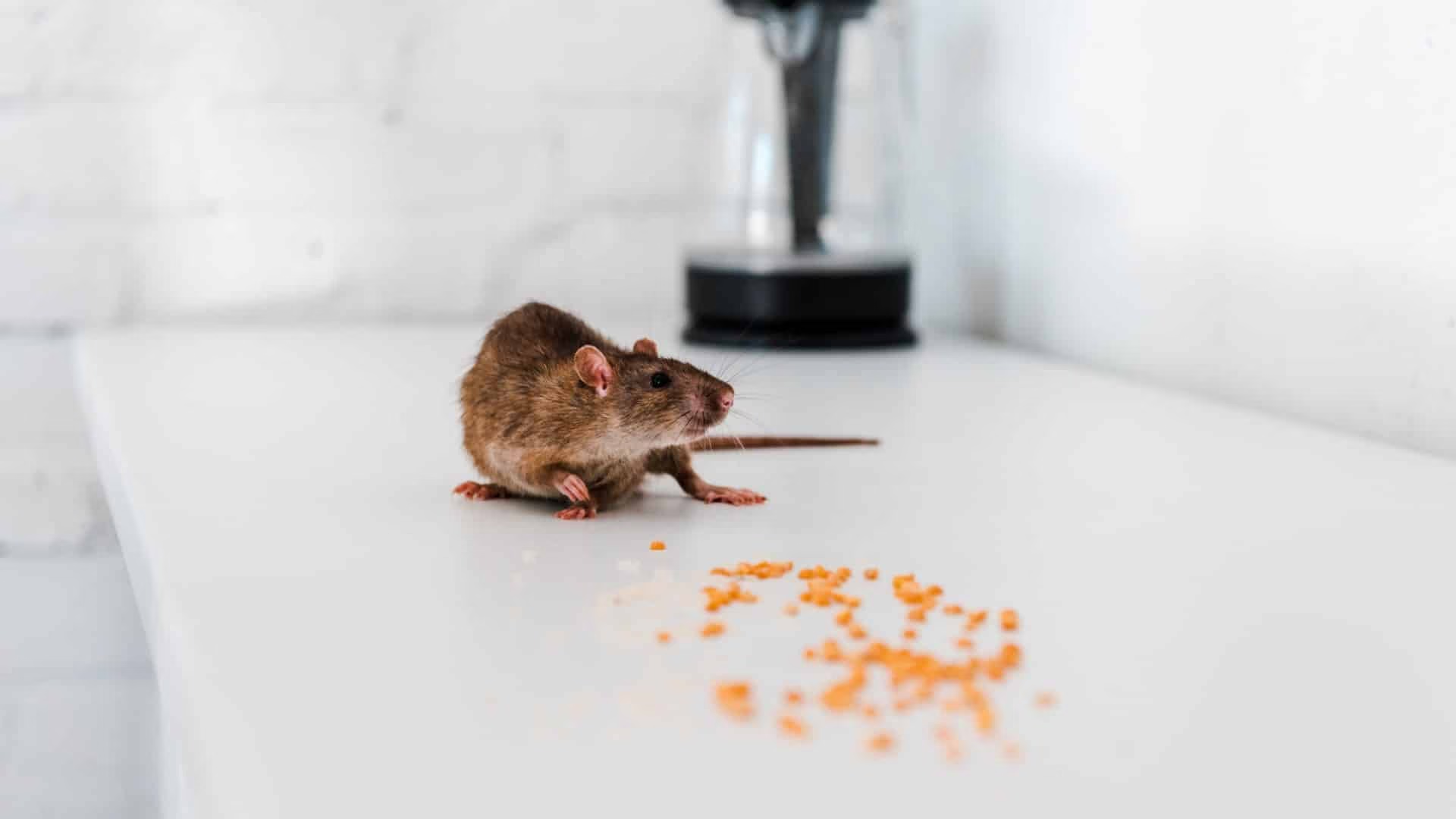
Dealing With Rats in Toronto in 2026
With an unprecedented spike in the rat population in Toronto this season, homeowners are at their wits end trying to keep these pesky creatures from entering homes, which they do very efficiently. The rat problem in Toronto has worsened in 2026 due to increased urban density and warmer winters.
If you could only find the Pied Piper. But he seems to be missing in action this summer. Modern homeowners rely on pest control solutions and preventive measures to manage rat infestations effectively.
Thankfully, there are simpler ways to deal with the problem.
There are four main types of rats that commonly enter homes looking for shelter or food in Canada. These are:
- The House mouse
- The Deer mouse
- The Norway Rat
- The Roof Rat
If you have a rat infestation, one of these four are the probable culprits. And in order to get rid of them completely, it is important that you know the differences in their behavior and nesting habits. Understanding the types of rats is essential for proper rat removal in Toronto in 2026.
This is the reason why rat infestations demand professional solutions from Rodent control Toronto companies who know how to deal with different types of rats.
However, here are a few tips for rat removal in Toronto that will help you to deal with an infestation at your home.
The Entry Points
There must be an entry point that the rodent used to enter your home. It can be a tiny crack or crevice near the perimeter or it can be the chimney or one of the vents. So, take a walk around your home and inspect it for any such spots. Chimneys and vents can be covered with a wire mesh to prevent rodents from entering the house. Other cracks need to be caulked and sealed.
However, you should only seal these openings if you are sure that there are no rats living inside the house or in the walls. Because if a rat dies in the walls, the problem just becomes more compound than what you are currently dealing with.
You can also lay traps near these entry points.
Make The House Less Appealing
If you treat pests like guests, then you will have a tough time removing them from your property. The trick is to make your home inhospitable for rats. One of the easiest ways to do this is to clean up. Do not leave any potential food sources uncovered. Keep all food items in containers with secure lids. Your garbage and compost should be locked and secured. Any potential harborage places around the house like loose foliage, pile up of debris should be cleaned up.
Lay Traps
Sometimes, nothing works like old tried and tested methods. Lay traps near any spots where you have noticed rodent activity. Use large Victor snap traps for rats as the smaller ones are intended only for mice. Even if Jerry mouse loved cheese, it is not a preferred bait for rats. Use Nutella or peanut butter for rat removal in Toronto from your home for best results.
Rodenticides
You may consider using Rodenticides in areas that are not used by children or pests. Baits must be placed in tamper-resistant baiting stations.
If the rat population in your home is not large enough, then you may be able to control it using baits and rodenticides. However, if the population has increased, then rats can cause substantial damage to your property and belongings and it is best if you consult a pest control company specializing in rat removal in Toronto immediately.

10X HomeStars Best of Awards Winner
Related Articles
Pesticon Receives HomeStars Best of Awards 2026 for Excellence in Pest Control
Pesticon has been recognized with the HomeStars Best of Awards 2026 for excellence in pest control services in Toronto. Learn about our award-winning services a
Read article
Bee Removal in Toronto: Signs, Safe & Humane Solutions (2026)
If you’ve noticed bees swarming around your Toronto home, it’s likely they’re considering your walls, attic, or shed for a hive. While bees are essential pollin
Read article
Wasp Nest Removal in Toronto: When Buzzing Becomes a Serious Problem
If you’re searching for wasp nest removal in Toronto, chances are you’ve noticed increased wasp activity around your home. Wasps can become aggressive when thei
Read article