
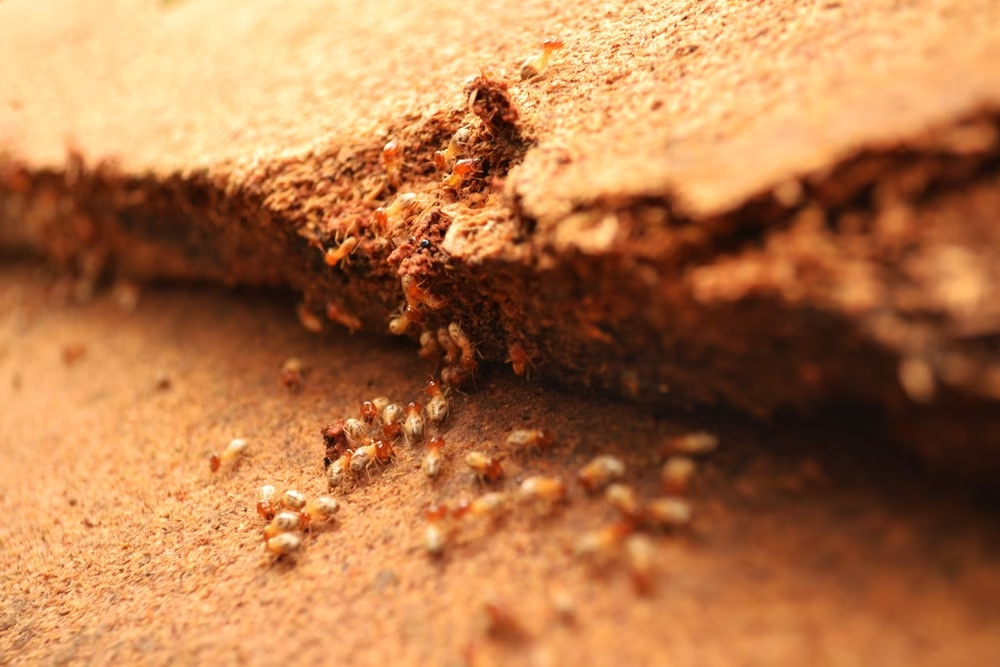
Are Termite Traps in Kitchener Safe And Effective? (2026)
In 2026, termite traps have become one of the most reliable and safe methods for controlling termite infestations in Kitchener homes. Homeowners can now deploy advanced termite traps to monitor and eliminate termite colonies effectively without risking harm to family members or pets. When installed correctly and maintained regularly, these traps provide a long-term solution for both dry wood and subterranean termite infestations.
This guide explores how termite traps work, their materials, precautions, and why they remain a preferred termite solution in 2026.
How Termite Traps Works?
Normally termite traps are installed in a parameter around your property, about 3 to 4 feet into your property foundation. Each termite trap is installed 10 to 15 feet apart in narrow holes that you first drill with the help of a specialized tool. Once you successfully install the termite trap, it should be filled with non-toxic termite food and monitored until the presence of termites is confirmed. The non-toxic termite food is replaced with toxic food, and there are standard termite barriers that use a specialized liquid that can be added to non-toxic termite food to make it toxic. The termite takes that toxic food back into their colonies, and once they share that food, they start to disappear slowly.
What are Termite Traps Made of?
Each termite trap consists of paper, cardboard or any other material that is infused with slow-acting termiticide. The traps material should be slow-acting to keep termite bait on that material long enough for them to carry it back to their colony. If a termite has eaten the slow-acting material, it won't do anything for days, and they got plenty of time to consume it till the material activates and starts to infect the colonies.
Safe And Effective Termite Solution
These safe and effective termite solutions are popular among many homeowners as they are proven to be the easiest solution to end termite infestation. They are great for treating dry wood and subterranean termites. The material used is toxic to them and is not harmful to humans. These traps are not harmful to your pets, as they are buried under the soil far away from your pet's reach.
Precautions For Termite Traps
Just installing them is not enough. You have to check the trap once in a while. The system must be monitored several times and maintained accordingly. The routines require you to remain attentive and keep a sharp eye so you can check the progress. If you show negligence, the same trap could be their reason for survival. If you fail to change the non-toxic food from toxic termite food, they could end up feasting on the cardboard and paper used in the trap. You need to consider a termite control specialist if you cannot manage the trap yourself. The service technician has good experience and knows how to manage the trap.
If you want to know more about termites solution contact us and we would be happy to assist you.

10X HomeStars Best of Awards Winner
Related Articles
Pesticon Receives HomeStars Best of Awards 2026 for Excellence in Pest Control
Pesticon has been recognized with the HomeStars Best of Awards 2026 for excellence in pest control services in Toronto. Learn about our award-winning services a
Read article
Bee Removal in Toronto: Signs, Safe & Humane Solutions (2026)
If you’ve noticed bees swarming around your Toronto home, it’s likely they’re considering your walls, attic, or shed for a hive. While bees are essential pollin
Read article
Wasp Nest Removal in Toronto: When Buzzing Becomes a Serious Problem
If you’re searching for wasp nest removal in Toronto, chances are you’ve noticed increased wasp activity around your home. Wasps can become aggressive when thei
Read article