

How To Kill Mississauga Termites In Furniture in 2026
Termites are sneaky pests, they often show up only after an infestation is already active. Known for their love of wood, termites can eat through entire furniture pieces, leaving thin layers of timber behind. Unlike carpenter ants, which only tunnel through wood, termites consume cellulose inside moist wood. And since you can’t easily tell if your furniture is infested or wet inside, detecting and preventing termite damage without professional help can be tricky.
Fortunately, there are several methods you can use to deter or kill termites in furniture in Mississauga in 2026.
1. Spray Mixture Of Essential Oils And Water
This is a remedy to deter the termites effectively. Whether you know it or not, termites hate some smells. Most of these smells, or should we say aroma, include the aroma from essential oils. These essential oils include garlic oil, cinnamon oil, tea tree oil, clove bud oil, etc. You have to make a mixture of any one or two essential oils with water and keep it in a mist spray bottle. Then you can directly spray the solution on the affected timber.
2. Lure Away Termites With A Cardboard Trap
Cardboard is made out of several types of woods. It has the same cellulose to which termites are attracted. The trick with cardboard is that you have to make it wet so that it smells more than the wood they are infesting. You can place the pieces of cardboard or a box of cardboard near the affected furniture and then wait. After some hours pass, you will find most of the termites in the cardboard, and that’s the time you can get rid of them.
3. Expose The Furniture To Sunlight
Although you will not be able to pull off a professional heat treatment for termites, you can get some results with the sunlight too. All you need to do is set your furniture out or where the sunlight falls directly. Let it sit there for a couple of days and see all the termites running out from that furniture. Termites are like humans when it comes to living with comfort; they need their cozy space. And when you expose them to such heat, they can’t take it for too long.
4. Combine Boric Acid With Cardboard Trap
For this, you will need to mix the borax powder with water to form a solution of boric acid. Don’t worry; it is non-toxic and works well with termites. Once the solution is ready, you can either directly spray it on the furniture with termites inside or lace the cardboard with the solution to get better results (killing two birds with one stone).
5. Use Professional Pest Control
You can skip all the other steps if you go for professional help. The most recommended practice in dealing with pests is to hire a professional pest control expert. When termites start infesting furniture, they don’t stop just at the furniture. You can expect them to go around and damage some crucial structural parts of your house, too. The best way to exterminate termites is to let the professionals do it while you get on with your routine.
Final Thoughts
All of the tips mentioned above and methods are good only when there is a light infestation or the beginning of an infestation. Sure, you can keep the termites away with these methods, but you cannot get rid of a heavy infestation with these DIY techniques. The easiest solution in such cases is to go for professional pest controllers because they have what it takes to get rid of an infestation for a long time.

10X HomeStars Best of Awards Winner
Related Articles
Pesticon Receives HomeStars Best of Awards 2026 for Excellence in Pest Control
Pesticon has been recognized with the HomeStars Best of Awards 2026 for excellence in pest control services in Toronto. Learn about our award-winning services a
Read article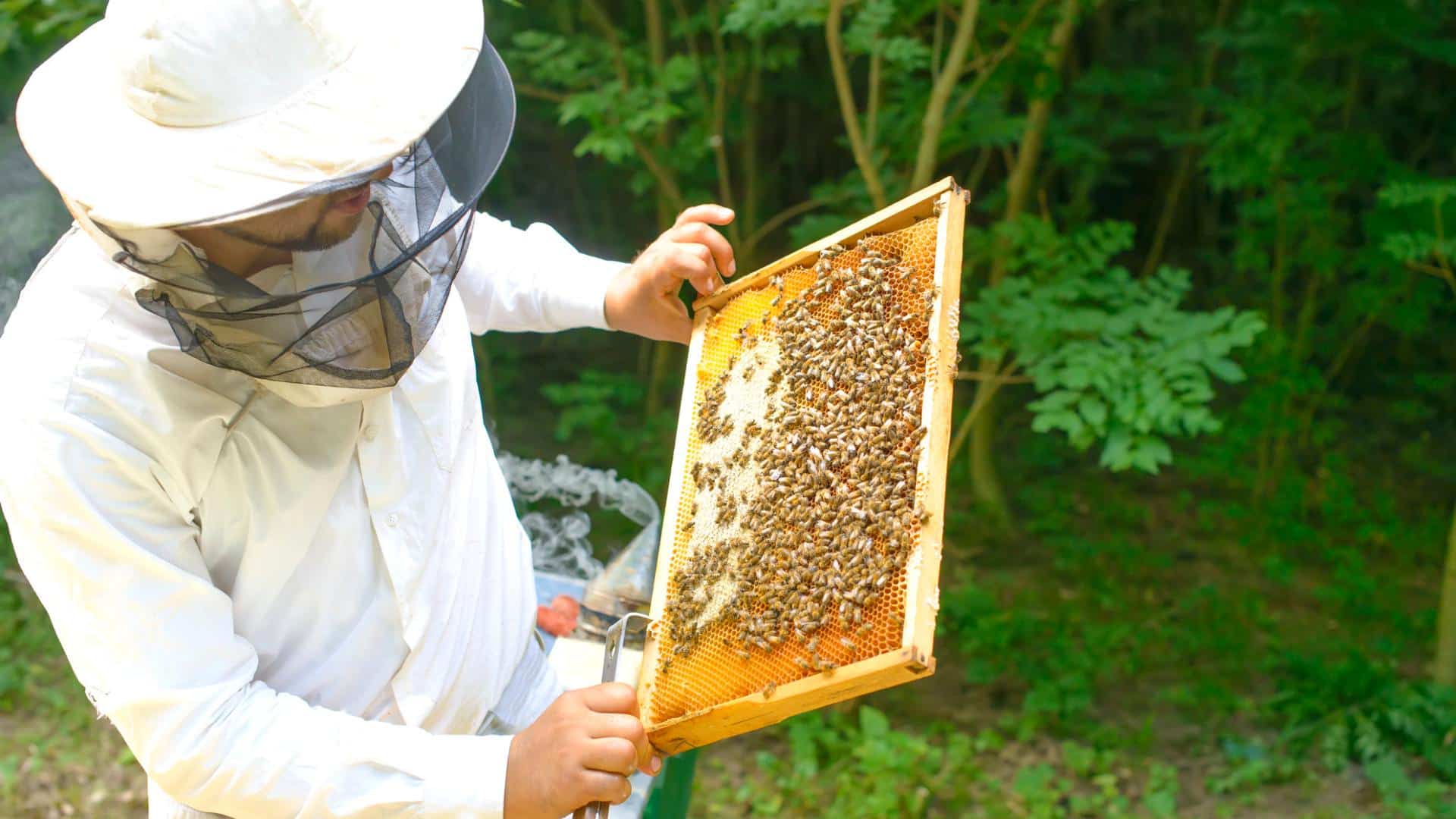
Bee Removal in Toronto: Signs, Safe & Humane Solutions (2026)
If you’ve noticed bees swarming around your Toronto home, it’s likely they’re considering your walls, attic, or shed for a hive. While bees are essential pollin
Read article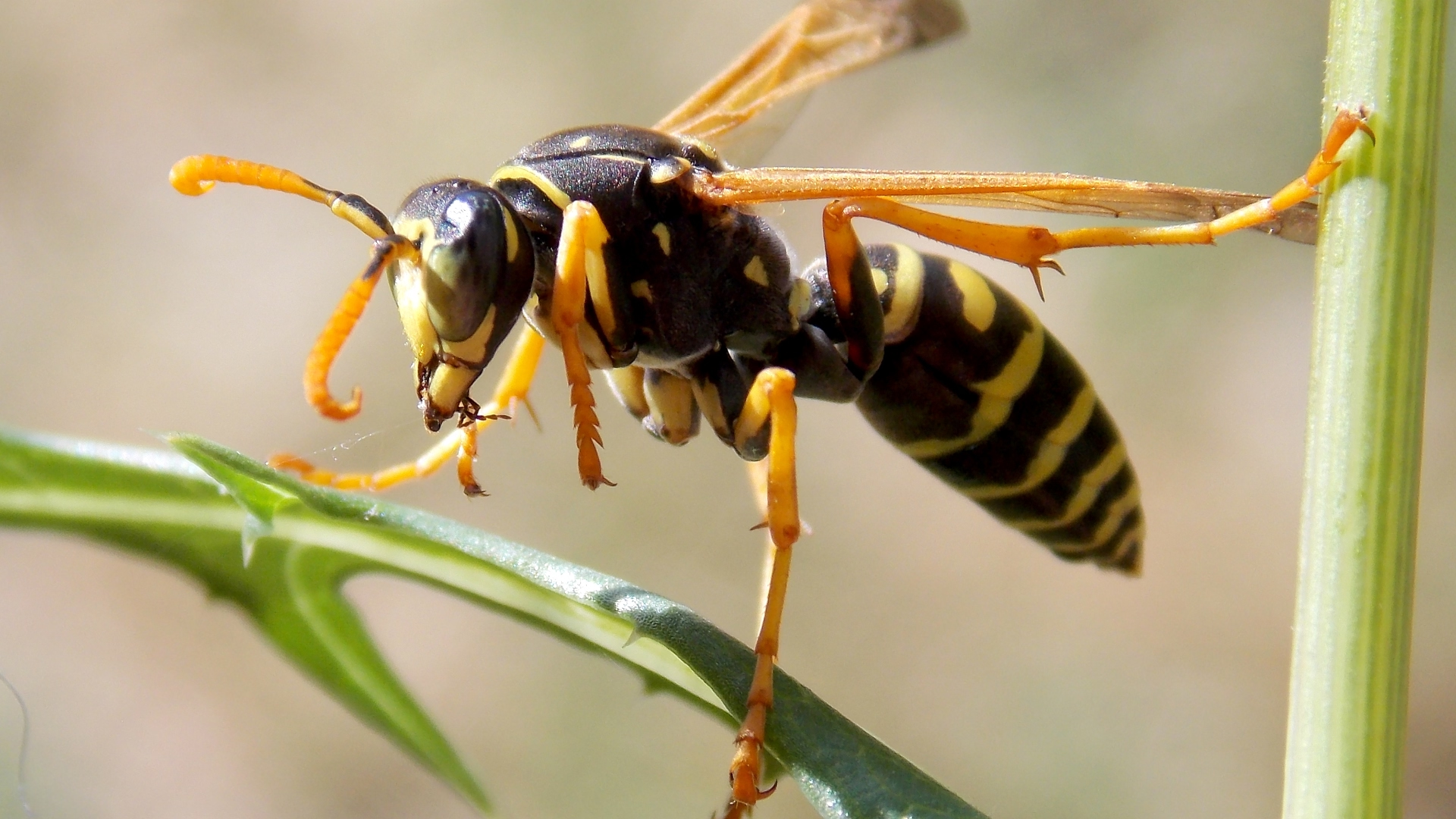
Wasp Nest Removal in Toronto: When Buzzing Becomes a Serious Problem
If you’re searching for wasp nest removal in Toronto, chances are you’ve noticed increased wasp activity around your home. Wasps can become aggressive when thei
Read article