
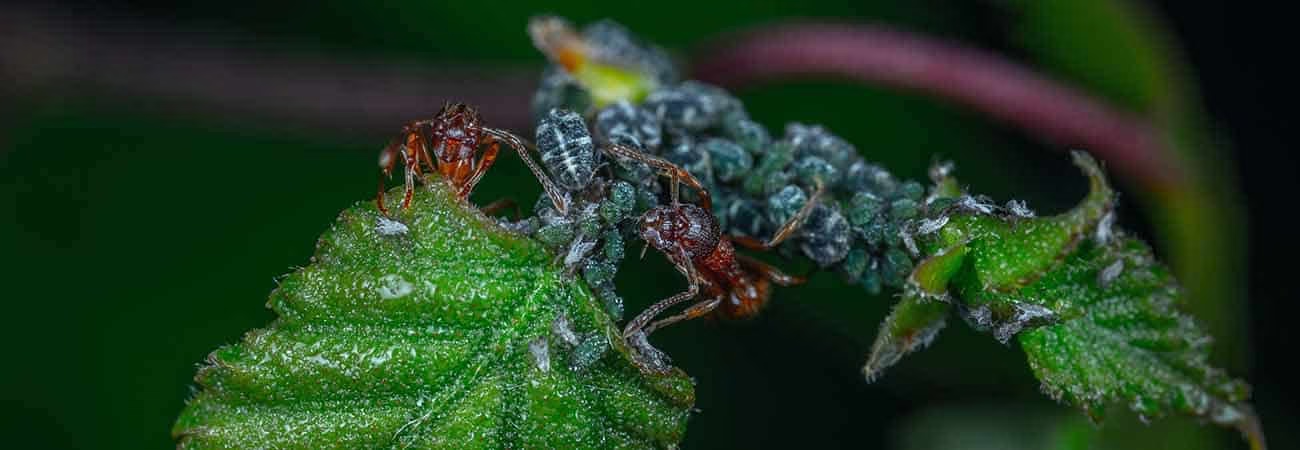
Pet-Safe Carpenter Ant Control Methods for Toronto Homeowners in 2026
Carpenter ants are one of the most destructive ant species for homes in Canada. In Toronto, these ants can quickly establish colonies inside wooden structures, causing costly damage if left untreated. However, traditional chemical treatments are often unsafe around kids and pets.
For 2026, Toronto homeowners can use pet-safe methods to manage carpenter ants effectively without risking their family or furry friends. If DIY solutions aren’t enough, consulting a professional pest control service in Toronto is the safest option.
Some Pet-Safe Methods to Kill Carpenter Ants Yourself
The following are some methods to help you with carpenter ant control:
Food Grade Diatomaceous Earth:
Diatomaceous Earth is 100% organic, natural, and silica-rich powder and is highly effective in eradicating carpenter ants. It is insecticide dust that contains the fossilised remains of diatoms (microscopic algae). Once you find the carpenter ant nests, you should use Diatomaceous Earth on the nest and exterminate the ant colony. A medicine dropper is a safe way to inject it into the nest and let the fossilised diatoms do the rest for you. Best of all, this non-toxic solution is safe to use around pets and inexpensive, too.
Liquid Dish Soap:
It is a very convenient and highly effective remedy to exterminate carpenter ants. Ants breathe through their skin; thus, a mixture of water and dish soap can also help you get rid of them from your home. You can mix 1 cup of water, two tablespoons of liquid soap, and two tablespoons of baking soda to make this solution. Use a spray bottle to spray this solution on the carpenter ants you spot or on their nests to eradicate them from your home in Toronto. This ant control solution also has no side effects and is safe for pets.
Peppermint Essential Oil:
It is an organic insect repellent to keep carpenter ants away from your home. It is the pungent aroma of peppermint oil that prevents carpenter ants from smelling any food source. It would help if you shook the peppermint ant-repellent spray well before spraying it on the infested areas to keep carpenter ants away from the food source.
Boric Acid Powder:
Boric acid powder is also considered a pet-safe remedy to kill carpenter ants. You need to create a mixture of one-third of sugar and two-third of boric acid; then, you should place it in bottle caps where you think carpenter ants are present. It is the least toxic but a working remedy against ant infestation. It is advised that you do not use too much boric acid as your ant bait because it can kill worker ants before reaching their nest.
Conclusion
Carpenter ants are wood destroyers and can infest homes in Toronto, foraging for food while making their nests. You can go with DIY treatment for carpenter ant control, but you might hurt your pets or children or pets in the process. The following are some ways to kill carpenter ants:
- Food Grade Diatomaceous Earth is pet-safe, inexpensive, and probably the safest method to kill carpenter ants.
- Liquid dish soap is convenient to make and annihilate a carpenter ant colony.
- Peppermint essential oil is an insect repellent; hence, carpenter ants hate it.
- Boric acid powder, once used in the right amount as an ant bait, can kill carpenter ants.
To sum up, if the above pet-safe methods do not work for you, you should contact pest control experts for ant control in Toronto.

10X HomeStars Best of Awards Winner
Related Articles
Pesticon Receives HomeStars Best of Awards 2026 for Excellence in Pest Control
Pesticon has been recognized with the HomeStars Best of Awards 2026 for excellence in pest control services in Toronto. Learn about our award-winning services a
Read article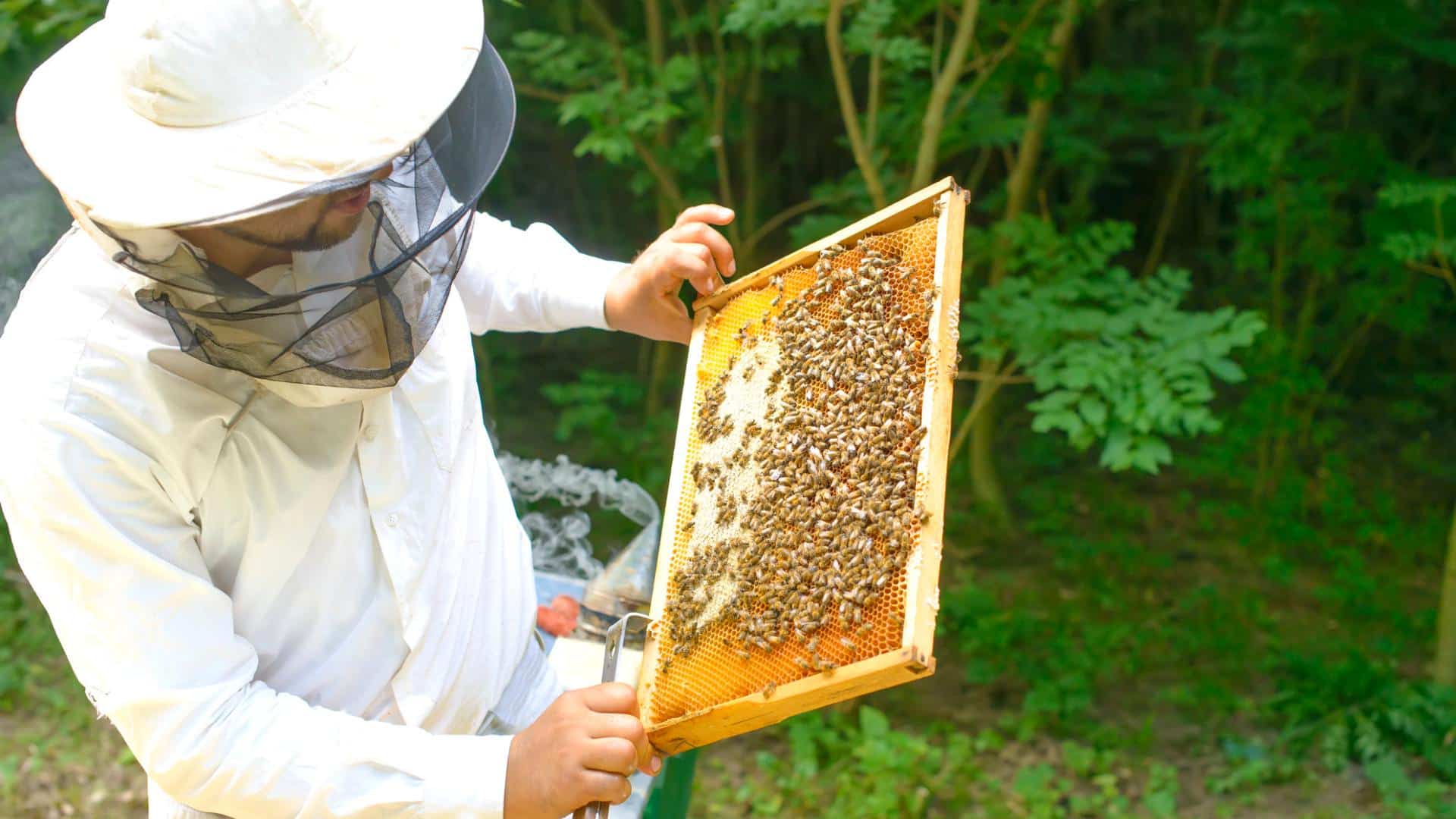
Bee Removal in Toronto: Signs, Safe & Humane Solutions (2026)
If you’ve noticed bees swarming around your Toronto home, it’s likely they’re considering your walls, attic, or shed for a hive. While bees are essential pollin
Read article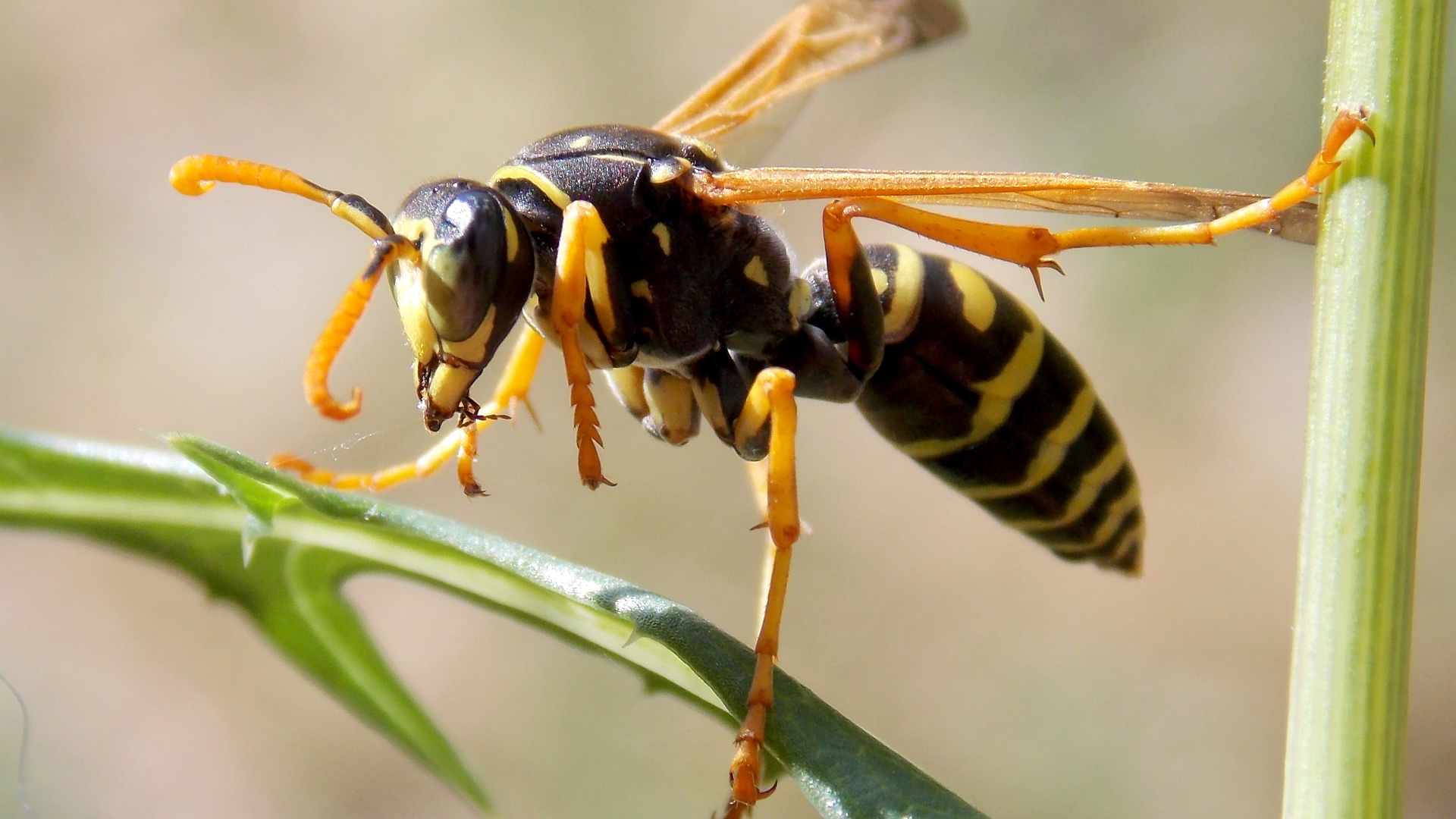
Wasp Nest Removal in Toronto: When Buzzing Becomes a Serious Problem
If you’re searching for wasp nest removal in Toronto, chances are you’ve noticed increased wasp activity around your home. Wasps can become aggressive when thei
Read article