
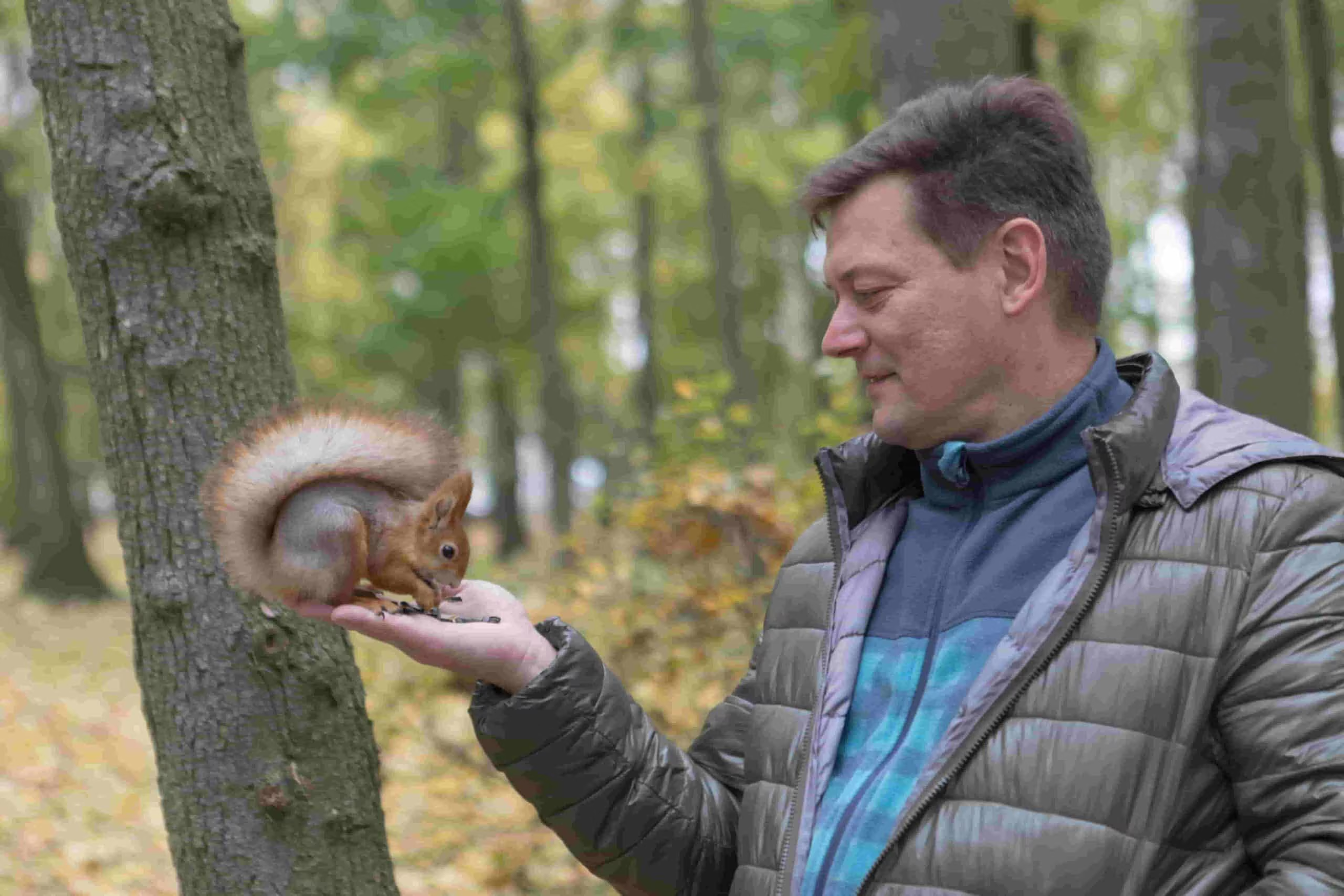
What Sounds Do Toronto Squirrels Make in 2026 - And What Do They Mean?
Squirrels are lively, bushy-tailed rodents that have captured the curiosity of people worldwide. Known for their soft fur, nimble movements, and long tails, squirrels are commonly found in parks, yards, and urban areas across Toronto. While their appearance may seem harmless, squirrels can become a nuisance when they approach homes in search of food or shelter.
In 2026, Toronto residents are noticing squirrels not just in green spaces but increasingly around houses and apartments. Understanding the sounds they make can help you interpret their behaviour and decide when professional pest control may be necessary.
Different Types of Squirrels in Toronto
Squirrels belong to the Sciuridae family, which includes a variety of small- to medium-sized rodents. Common types include:
- Tree Squirrels: Most familiar in Toronto, often seen in backyards and parks.
- Ground Squirrels & Chipmunks: Live closer to the soil, sometimes burrowing near homes.
- Flying Squirrels: Rare in urban areas, mostly nocturnal.
These creatures are agile climbers and primarily feed on nuts, seeds, and fruit. When squirrels start venturing near your windows or attic, it often signals they’re exploring food sources inside, making homes vulnerable to infestation.
The Sounds Toronto Squirrels Make
Squirrels communicate through a variety of sounds, some surprisingly loud or alarming. In 2026, experts observed that Toronto squirrels use vocalisations to convey specific messages, especially when interacting with humans, pets, or predators.
Common Squirrel Sounds
- Chirps & Chatters: Short, repetitive noises indicating alertness or mild agitation.
- Squawks or Screeches: High-pitched, alarming sounds usually signalling danger, such as the presence of cats, dogs, or other threats.
- Scraping & Rubbing Noises: Squirrels rub objects, like branches or house surfaces, which creates scratching sounds.
What These Sounds Mean
Alarm Signals:
- Squirrels alert each other to approaching predators or unfamiliar animals.
- Nocturnal vocalisations can warn fellow squirrels of rats, mice, or possums nearby.
Mating Calls:
During mating season, squirrels use loud calls to attract partners.
Territorial or Food Alerts:
Certain chirps or chatters communicate ownership of a feeding area or warn others to keep away.
While fascinating, these sounds can be startling, especially at night, and may disturb children, pets, or residents.
Why Professional Pest Control May Be Needed
Though squirrels are small, their activity can cause:
- Property Damage: Chewing on wires, insulation, or wood.
- Health Risks: Potential contamination from droppings or nesting materials.
- Noise Disturbances: Persistent scratching or squeaking that disrupts sleep.
In 2026, Pesticon offers professional animal control services in Toronto to safely and humanely manage squirrels. Our experts identify entry points, remove nests, and provide solutions to prevent future infestations.
Conclusion
Toronto squirrels make a variety of sounds, some cute, some alarming. These vocalisations reflect sophisticated communication, whether for mating, territorial defence, or predator alerts. While observing their behaviour can be fascinating, persistent noise, property damage, or nighttime activity signals it’s time to contact professional pest control.
Protect your home and family in 2026 with Pesticon’s expert squirrel control services, keeping your property safe, quiet, and rodent-free.

10X HomeStars Best of Awards Winner
Related Articles
Pesticon Receives HomeStars Best of Awards 2026 for Excellence in Pest Control
Pesticon has been recognized with the HomeStars Best of Awards 2026 for excellence in pest control services in Toronto. Learn about our award-winning services a
Read article
Bee Removal in Toronto: Signs, Safe & Humane Solutions (2026)
If you’ve noticed bees swarming around your Toronto home, it’s likely they’re considering your walls, attic, or shed for a hive. While bees are essential pollin
Read article
Wasp Nest Removal in Toronto: When Buzzing Becomes a Serious Problem
If you’re searching for wasp nest removal in Toronto, chances are you’ve noticed increased wasp activity around your home. Wasps can become aggressive when thei
Read article