
Are Carpenter Ants in Kitchener Dangerous? Updated 2026 Guide
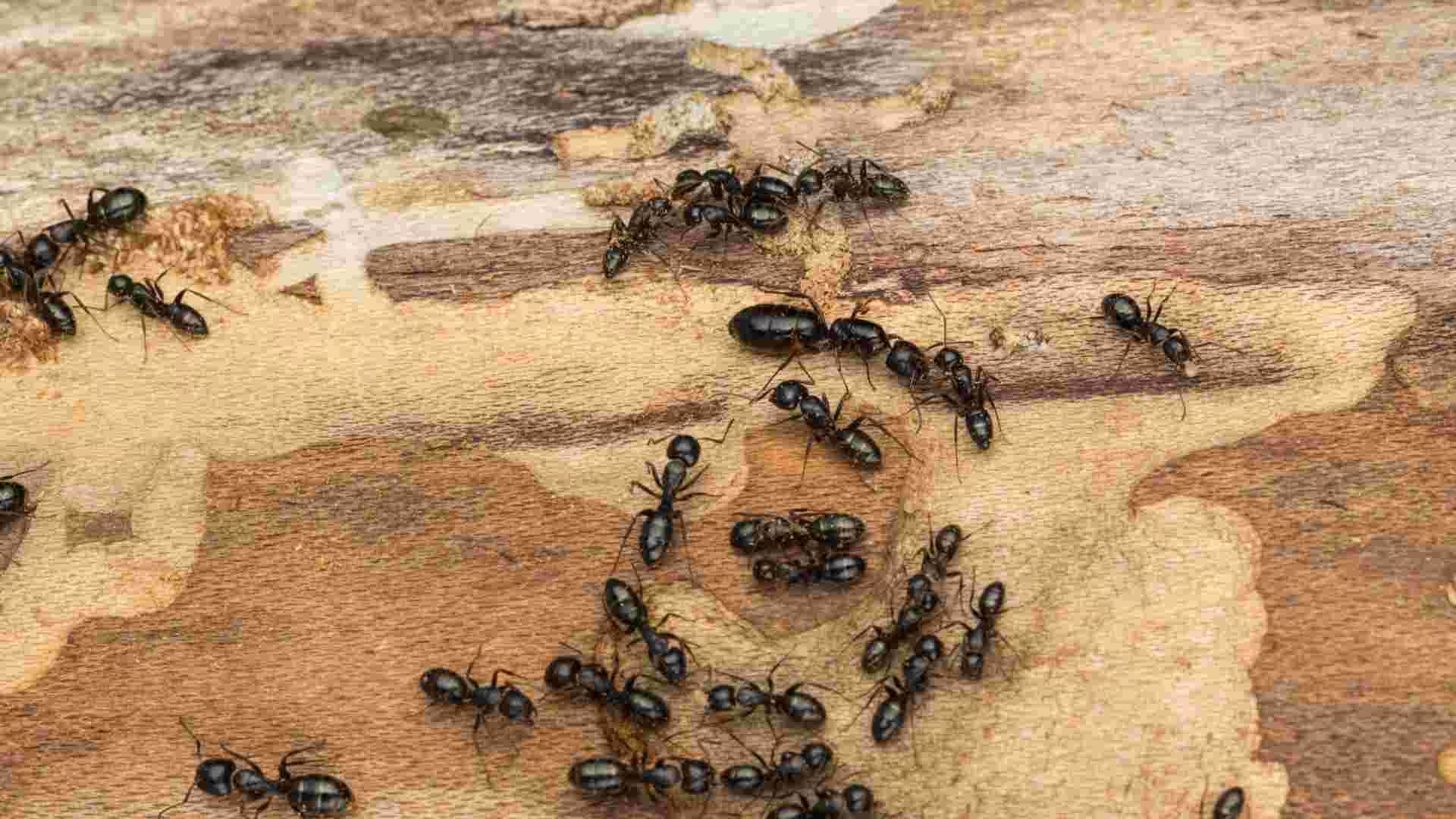
Carpenter ants are a growing concern for homeowners in Kitchener in 2026. These large black or reddish ants are not only common but can cause serious structural damage if left unchecked. While many people mistake carpenter ants for termites, their behaviour and impact are different. Understanding their size, diet, and nesting habits is essential to prevent property damage. Homeowners need to be aware of the potential risks, signs of infestation, and why calling professional pest control services in Kitchener remains the safest option. This updated 2026 guide provides detailed information on carpenter ants, their dangers, and the steps you can take to protect your home.
How Big Are Carpenter Ants?
Starting with a fascinating fact about carpenter ants – they get wings when they mate. Carpenter ants vary in size according to their species. But when we talk about the black and the red ones, they are typically 1/4 of an inch to 1 inch in length. Their bodies consist of three segments with a tiny waist that sits in the middle of their bodies. Even their antennae are also segmented and bent.
What Do Carpenter Ants Eat?
Some people think carpenter ants eat wood, but they don’t. Carpenter ants primarily consume the food that other species of ants do. Their diet usually includes small insects, plant and animal matter, anything that is sweet and has protein. They even consume the sweet body fluids that come from other insects or aphids. They don’t exactly eat wood, but they deal with it a lot. That is why it is always best to contact our carpenter ant control services in Kitchener when you see these ants.
How Dangerous Can Carpenter Ants Get?
Do They Bite?
Although they are not very famous for biting humans when they do, it isn’t good. Carpenter ants have big jaws. Their mandibles are sharp and can tear through our skin easily. When they are working with their mandibles, they also secrete formic acid into our skin. This is why there is a burning sensation when carpenter ants bite.
What Damage Can They Cause?
When it comes to the damage that carpenter ants can cause, they are DANGEROUS. Yes, you can expect them to damage a little more than those termites do. Having a lot of similarities with the termites, these ants are also very destructive. While termites EAT the wood, carpenter ants have much bigger goals than that. They simply burrow into the wood and move forward, throwing the sawdust out to make more extensive tunnels in the wood. They can easily find the decaying or moist wood and then start to dig out. Carpenter ants like to dwell in large colonies, and to create the most secure colonies, they go inside the wood – that’s where their name comes from. So, they can damage the structural parts of your house. What bigger damage can you expect?
Did You Come Across One Of Their Colonies?
If you happen to find a carpenter ants’ colony at an easy-to-find place, it may just be their satellite colony. Think of these satellite colonies as places where worker carpenter ants go for their smoke breaks during a long shift. Even if you destroy that colony, they will move on without any hesitation to build another one. Their actual colony, where there may be more than 50,000 carpenter ants (if they have been there for a year), is somewhere very remote and safe.
Conclusion
Getting rid of an infestation by carpenter ants can get difficult if you try any DIY pest control methods. That is why we suggest you go for the best and professional pest control services in Kitchener.

10X HomeStars Best of Awards Winner
Related Articles
Pesticon Receives HomeStars Best of Awards 2026 for Excellence in Pest Control
Pesticon has been recognized with the HomeStars Best of Awards 2026 for excellence in pest control services in Toronto. Learn about our award-winning services a
Read article
Bee Removal in Toronto: Signs, Safe & Humane Solutions (2026)
If you’ve noticed bees swarming around your Toronto home, it’s likely they’re considering your walls, attic, or shed for a hive. While bees are essential pollin
Read article
Wasp Nest Removal in Toronto: When Buzzing Becomes a Serious Problem
If you’re searching for wasp nest removal in Toronto, chances are you’ve noticed increased wasp activity around your home. Wasps can become aggressive when thei
Read article